Donate today to help Birmingham stay informed.
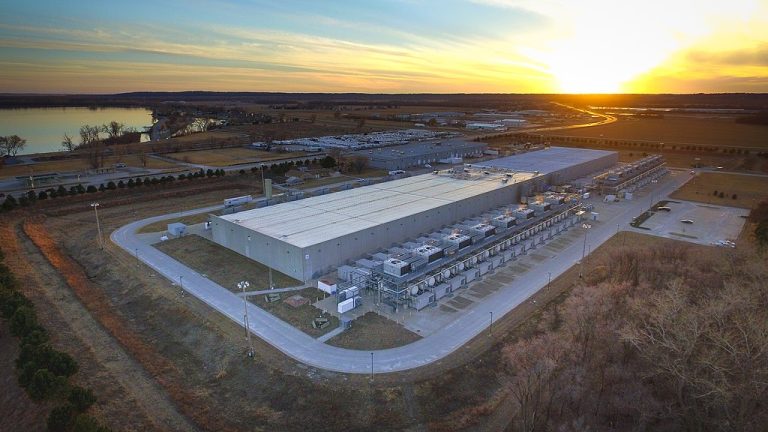
Two plaintiffs have filed a new lawsuit against Lakeshore Data Center, Hoar Construction, Nebius and the city of Birmingham over the hotly contested 300-megawatt BHM01 project off Lakeshore Parkway.
Robert Sansome and John Hilley, Oxmoor Valley residents who live along Sydney Trail within 1,000 feet of the project, filed suit seeking to pause the project that a moratorium, hours of oppositional testimony, open letters and new regulations have so far failed to deter.
On June 9, the Birmingham City Council approved a revised ordinance adding 20 new data center regulations to the zoning code, effectively ending the regulatory process that began Dec. 16, 2025, with the announcement of a data center moratorium.
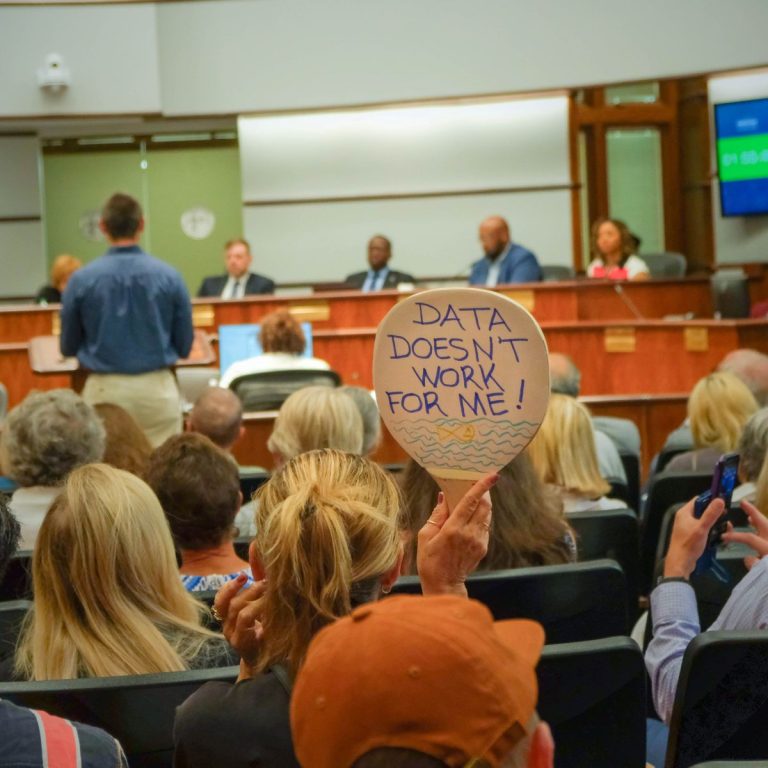
More than 300 residents disagreed. They urged the city to strengthen and clarify the rules, many questioning why the council was rushing to adopt an ordinance that city staff themselves said needed more work, especially given that three months remained in the six-month moratorium.
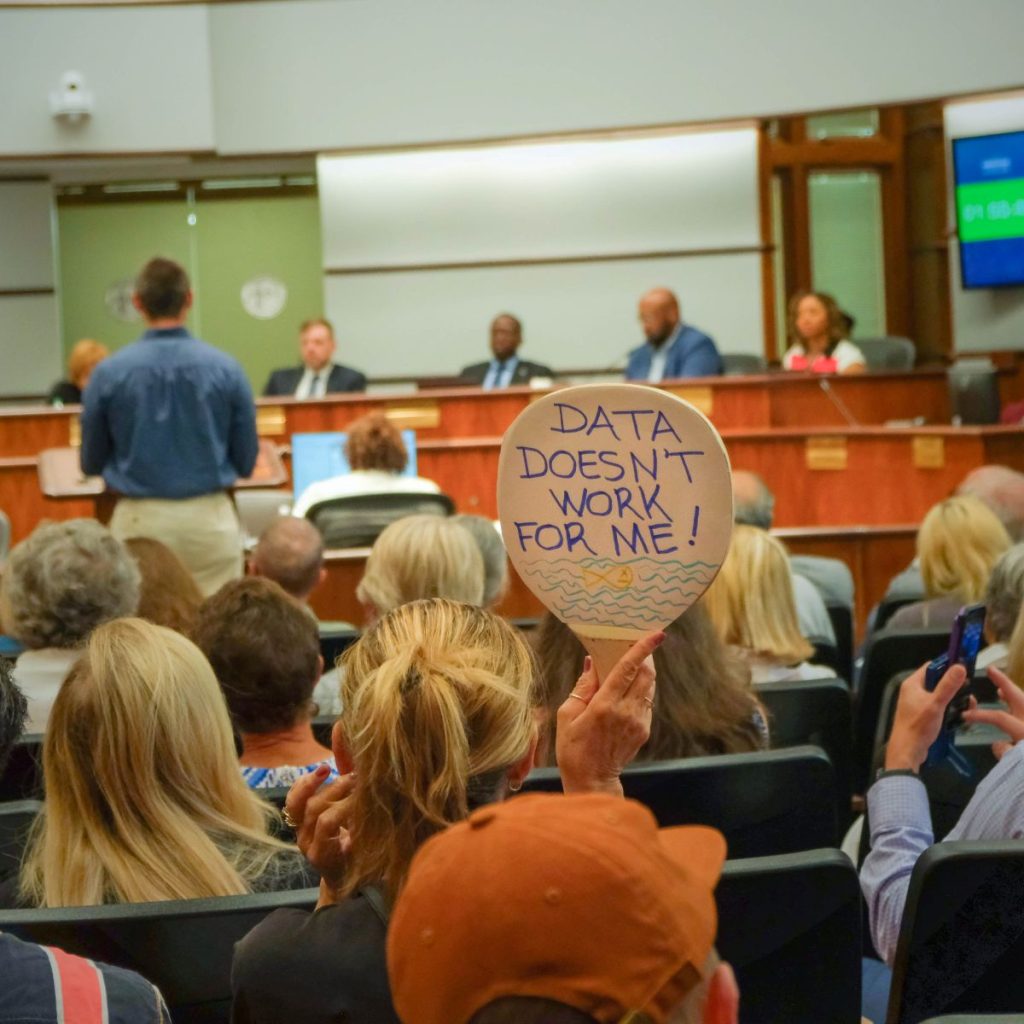
BHM01’s initial construction is not covered by the new regulations, and councilors repeatedly warned speakers at the hearing not to bring it up, calling it irrelevant. Yet the mayor and several of those same councilors pointed to BHM01 to justify their decision to approve the ordinance.
This is the third lawsuit filed since April attempting to block the project. It contends, among other things, that revisions to the city’s zoning ordinance made June 9 are void because they were not published in full before being passed and were made arbitrarily.
Because the zoning ordinance under which the city had been operating doesn’t mention data centers, the lawsuit contends that BHM01 was not an allowable development and that permits issued after the moratorium went into effect are defective. They request that the court reverse the project, declaring it to be an unauthorized use, its permits, void.
A judge began a hearing in the case Tuesday and then recused herself at defendants’ request. A new judge has been assigned to hear plaintiffs’ requests for a restraining order halting work on the project while the case is being tried.
Attorney Mark Parnell, who also represents plaintiffs in a parallel suit against the defendants, claims several deficiencies with the project, stating that Nebius had not obtained special exceptions for the utility substations to power the facility, leaving the application incomplete, and no conceptual plan amendment had been adopted explicitly authorizing the site’s use.
“My home is the closest to this project, and the disruption has become part of daily life,” Sansome said in the lawsuit. “But this lawsuit is about more than my home. All we have ever wanted is for the rules meant to protect a residential neighborhood to be followed before a 300-megawatt industrial facility goes up across the street. The rules that govern our neighborhoods should apply equally to everyone. The people who write and enforce those rules should be held to the same standard as the residents who are expected to live by them.”
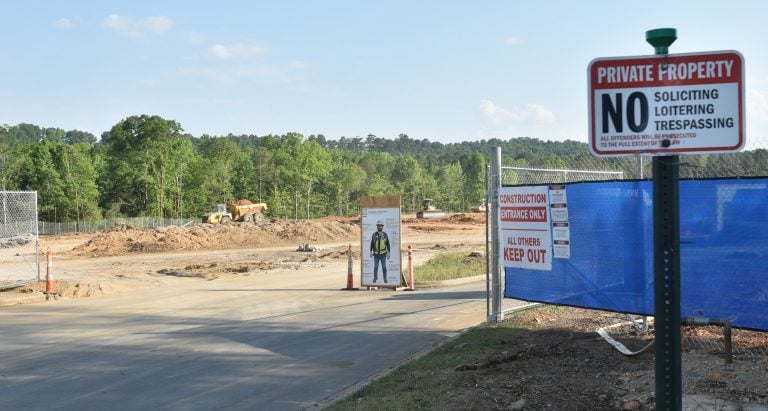
A group of roughly 30 protestors met outside Oxmoor Corporate Park on Saturday to protest the hyperscale data center being built there, including Terri Michal. The former school board member was escorted from last week’s council meeting for trying to speak about the project and now has joined a different class-action suit seeking an end to the project.
Opponents were angered further last week when they learned the city’s Industrial Development Board approved a 16-page agreement awarding the project with $3.234 billion in tax abatements. The seven members of the IDB are appointed by the council, but it functions as an independent nonprofit board.
The mayor and council members have said they have no power to stop the project because the Nebius approval process was already underway when the city declared a moratorium on data centers and so was “grandfathered in.”
The factual allegations in the lawsuit filed Monday mirror those made in previous filings. Plaintiffs argue Nebius endeavored to manufacture that “grandfathered” position by outrunning regulation and inflating its investment in the site through a cascading land acquisition that inflated the value of the land from $20 million to $90 million. They also argue that the city is liable because it expedited BHM01’s permits despite the moratorium.
Most of Nebius’ permits — including the Phase II building permit, demolition and electrical permits — were filed and granted April 10 or later, more than a month after the moratorium went into effect.
The plaintiffs are also seeking damages they say have been caused as a direct result of the project. They say construction, slated for completion in 2028, already constitutes a significant nuisance to neighboring property owners. Work at the site begins before 7:30 a.m. each day and, according to the lawsuit, produces constraint noise, vibration, exhaust fumes and heavy truck traffic in what was once a quiet community.
Residents say the project is eroding their property values, effectively trapping them in homes they couldn’t sell even if they wanted to leave.
“For my family, it became our reality,” said John Hilley. “You buy a home believing you’ll be able to enjoy it and leave it better than you found it — not wondering whether the walls of the home you’ve worked so hard for are cracking because the very people who wrote the rules to protect your neighborhood chose not to follow them. That’s why we’re asking the court to step in.”
This story has been updated to reflect that the first judge in the case recused herself and has been replaced.