Glenn Stephens, Author at BirminghamWatch - Page 19 of 89

Glenn Stephens

Civil Asset Forfeiture Compromise Clears Senate

MONTGOMERY -- The Alabama Senate on Tuesday approved legislation changing the state’s civil asset forfeiture laws, putting new rules on what law enforcement can take from those charged with low-level drug offenses. Advocacy groups have argued for years that current law allows police to seize property even without a conviction, which they say disproportionately hurts low-income individuals and minorities. “This will put better boundaries around the property of people and raise the bar for the government seizing it and forfeiting it for low-level charges,” Sen. Arthur Orr told Alabama Daily News. Read more.

Child Abuse Cost Alabama $3.7 Billion in 2018, New Report Says

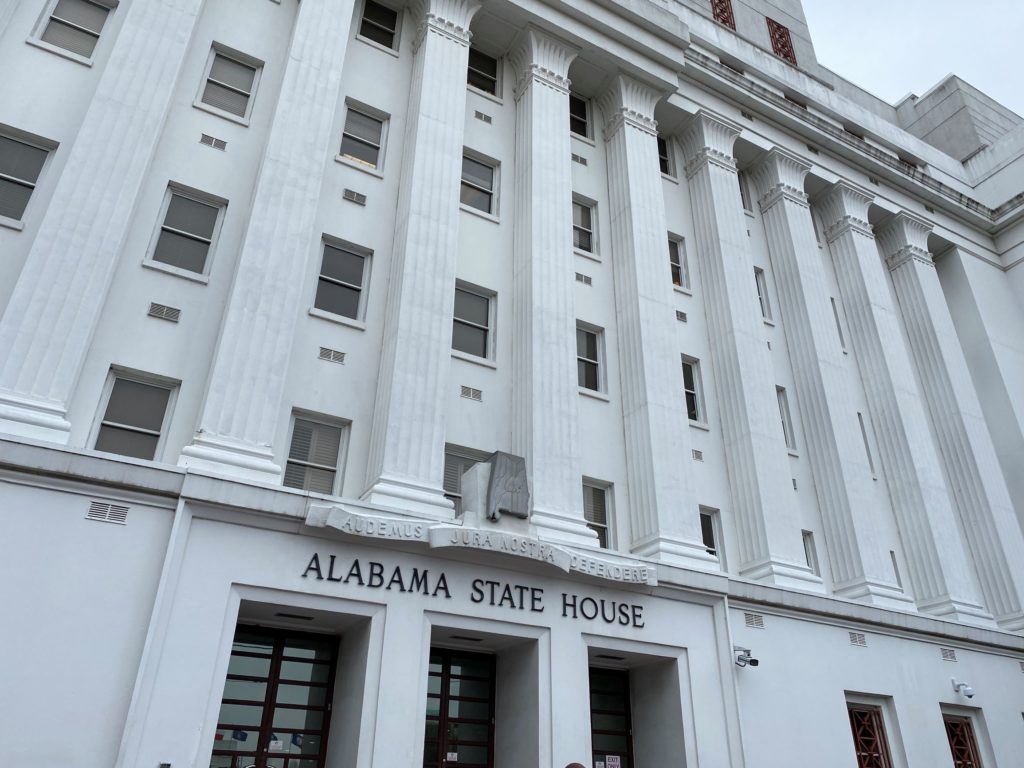
MONTGOMERY -- A new report from the Alabama Department of Child Abuse and Neglect Prevention says child maltreatment, abuse and neglect have cost the state around $3.7 billion. Various community organizers and state agencies that work to prevent child abuse gathered at the State House on Tuesday to present the report and stress to legislators the importance of investing in the prevention of child maltreatment. “You can pay now or you can pay later; you can’t do more with less,” Sallye Longshore, director of the ADCANP, said. Read more.

Past And Present Collide As Community Health Centers Strive To Close Rural Care Gaps In The Pandemic

In the 1960s, health care for Black residents in rural Mississippi was practically non-existent. While some hospitals served Black patients, they struggled to stay afloat; most options were segregated. During the height of the civil rights movement, young Black doctors decided to launch a movement of their own. “Mississippi was third-world and was so bad and so separated. The community health center movement was the conduit for physicians all over this country who believed that all people have a right to health care,” said Dr. Robert Smith. In 1965, Smith co-founded the Delta Health Center, the country’s first rural community health center, in Mound Bayou, a small town tucked away into the heart of the Mississippi Delta. The center became a national model and is now one of nearly 1,400 across the country. They are a key resource across Mississippi, Louisiana and Alabama, where about 2 in 5 Americans live in rural areas. These rural health care providers remain under-resourced and the COVID-19 pandemic has only magnified existing challenges, like lack of broadband access and limited public transportation. For much of the vaccine rollout, those barriers have made it difficult for providers, like community health centers, to get shots in the arms of their patients. As vaccine demand slows and coronavirus infection rates start to increase, state and federal officials are turning to these health centers to fulfill the mission of making the vaccine available to all Americans. In April, the Biden administration invested $6 billion in community health centers as part of a plan to increase access and awareness in the hardest-hit communities. Read more.

Baby or Puppy? Both Are Relatively Cheap in Alabama

Baby or puppy? Some people answer the question of whether to have a baby or do a practice run with a puppy by going with what’s in their hearts. Another consideration, as heartless as it sounds, is cost. Potential grandparent wishes aside, a recent study delineates the costs of having a baby or puppy for the first year of both their little lives.  “Whether a puppy or a baby is right for you will ultimately be a highly personal decision that we could never hope to answer for you, but the cost cannot be ignored and those costs fluctuate wildly by state,” according to a study done by Honestpaws.com, an online retail outlet offering pet medical information. Alabama leads the nation as the cheapest state to have a baby and care for it during the first year. It’s also a pretty cheap state to get and care for a puppy that first year. Read more. 

COVID-19 Daily Average for Alabama Drops for Seventh Consecutive Day.

The improvement in key numbers for COVID-19 continued Thursday, with the average for new cases dropping for the seventh consecutive day. The Alabama Department of Public Health reported 464 new cases in its daily update. That dropped the daily average for the past week to 293 cases. That compares to 390 cases a day a week ago and less than half the daily average of 601 a month earlier. There wee 310 people in Alabama hospitals for the coronavirus, according to the report, compared to 516 inpatients on the same date in March. Read more.

Open Enrollment School Bill Advances

MONTGOMERY -- A bill to require Alabama school systems to adopt open enrollment policies to accept students outside their districts cleared its first vote on Tuesday. Some education groups spoke against Senate Bill 365 by Sen. Del Marsh, R-Anniston, who pledged to work with them as the bill moves forward. Marsh, a school choice advocate, said the state has to provide more educational options for families. He said 47 states have open enrollment policies. “It basically says you’re not limited by your ZIP code where you’re going to school,” Marsh told the Senate Education Policy Committee. Read more. More from the Legislature this week: Legislature Sends Alcohol Delivery Bill to Governor House Passes CA Prohibiting Legislative Changes Within Six Months of Elections Distracted Driving Bill Fails Bill Increases Tax Credit Limit for Accountability Act Donors

COVID-19 Rates Continue to Drop in Alabama

Alabama's COVID-19 numbers continue to show a dramatic improvement, with the numbers of new cases, hospitalizations and positive tests falling to levels that have not been seen for months. The Alabama Department of Public Health reported 196 new cases of the coronavirus in Tuesday's daily update. The state has averaged 305 cases a day over the past week, down from averages of 456 a week ago and 659 a month ago. It was the lowest 7-day average since a report of 292 last May 19. For the past three days, the state has averaged 166 cases per day. Read more.

Bill Would Let K-12 Students Enroll in Any School in the State — For a Fee.

Senate Bill 365 by Sen. Del Marsh, R-Anniston, says that starting in the 2022-2023 school year, students from outside a system can enroll in its schools. A student enrolling in a school outside of his or her district of residence “shall pay the enrolling school district an amount that is equal to the per student share of the net local tax revenue” as determined by the State Department of Education. Local school boards would be required to adopt application processes and “shall consider” giving low-performing students from failing schools, as determined by the Alabama Accountability Act, enrollment priority. Marsh filed the bill, called the Open Schools Act, on Thursday. It’s been assigned to the Senate Education Policy Committee, and a public hearing is set for 10:45 a.m.Tuesday. Read more. More from the Legislature this week: Bill Increases Tax Credit Limit for Accountability Act Donors

Alabama Reports 400 New Cases, 54 Deaths in Friday’s COVID-19 Update

Alabama recorded 400 new cases of COVID-19 and 54 deaths from the disease in Friday's daily update by the state Department of Public Health. There have been 516,266 cases of the coronavirus and 10,607 deaths since the pandemic began in March 2020. The state averaged 384 new cases a day over the past week, down from a high of 4,280 cases a day on Jan. 10. Read more.

Coronavirus Numbers Show Slight Increase in Thursday Update

The decline in Alabama's COVID-19 figures leveled off Thursday as the number of new cases and individuals in hospitals ticked up slightly from earlier in the week. The Alabama Department of Public Health reported 478 new cases in its daily update. That is up from 361 cases reported Tuesday and 408 on Wednesday. The daily average over the past weeks stood at 390 cases, up slightly from the previous day's average of 382 but below the figure of 441 a week earlier. Read more.