Government Archives - Page 274 of 339 - BirminghamWatch

Government

Marshall Leads in Fundraising Two Weeks Before the Runoff

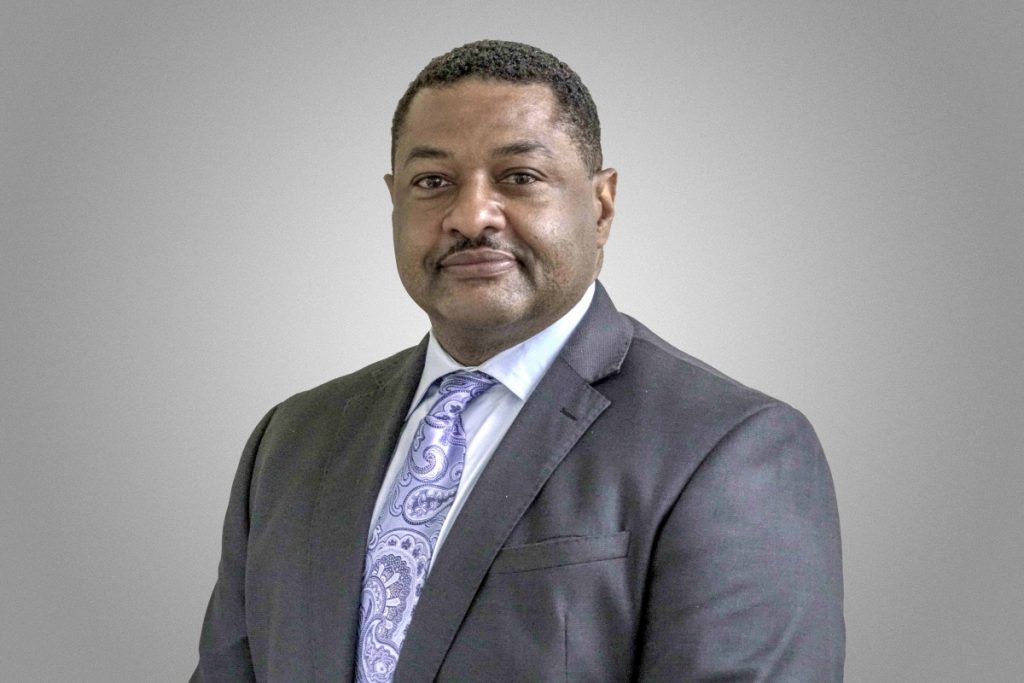
Incumbent Steve Marshall has raised almost $600,000 more than challenger Troy King in contributions as the two campaign for the July 17 Republican runoff for attorney general, according to financial reports filed this week with the Secretary of State’s Office. Marshall, whose wife, Bridgette Marshall, died June 24, reported that he did not raise any money during the reporting period of June 23-29. But he reported a $25,000 contribution on Tuesday, after the latest weekly reporting period was over, from the Automobile Dealers Association of Alabama Inc. in Montgomery. Marshall has raised $2.41 million so far during the campaign and has spent $2.14 million, leaving a balance of $287,783 in his campaign account. King, who is seeking nomination for the job he held from 2004 to 2011, reported contributions of $39,605 during the last week of June, bringing his total for the campaign to $1.81 million. He has spent $1.72 million and has a balance of $86,870. Read more.
Birmingham Council Gives Go-Ahead to Negro Southern League Museum Restaurant

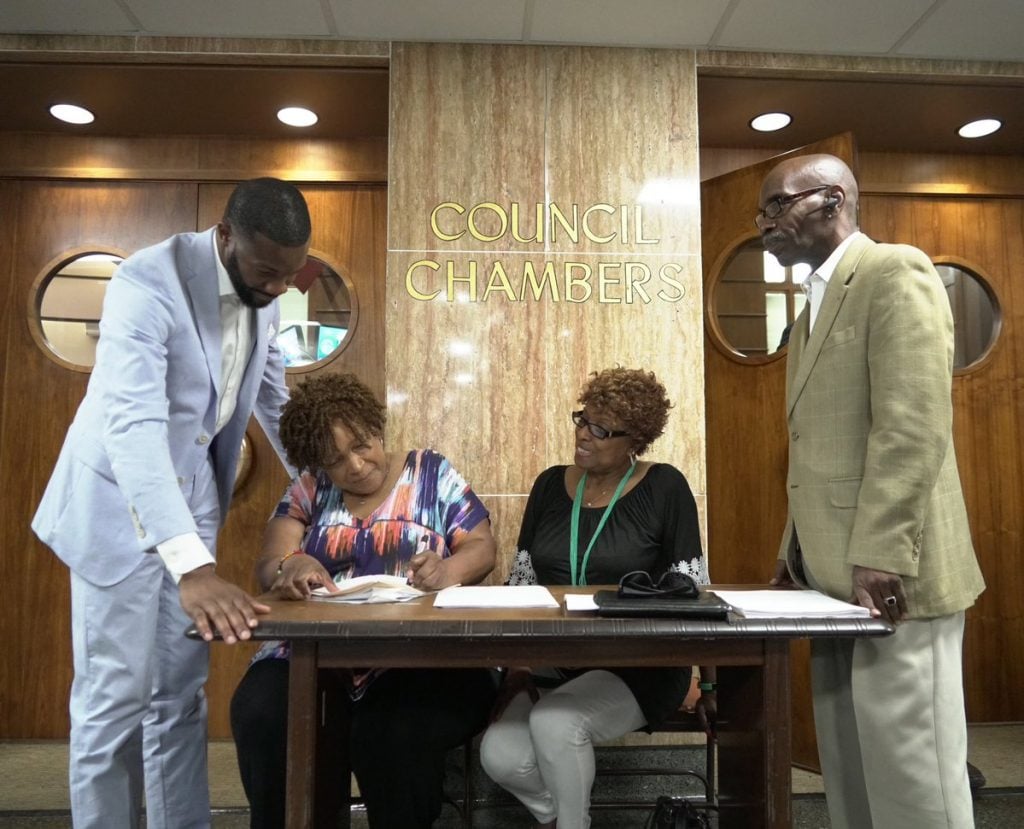
A new restaurant is officially headed to the Negro Southern League Museum. The Birmingham City Council voted unanimously Tuesday to approve a funding agreement for the city’s PACE Board to build out and lease the space in the museum to Michael’s Steak and Seafood — but not before taking time to address critics of the plan. Council President Valerie Abbott started discussion by remarking that her office had received “a lot of email” regarding the deal. The main question, she said, was why Michael’s had been offered the deal — which includes two free years of rent — when other restaurants had not received offers from the city. Read more.

One Week Down, Week Two Beginning in Bribery Trial

The federal trial of three men accused of conspiring to bribe Oliver Robinson when he was an Alabama state representative enters its second week Monday, following a week of jury selection, opening statements and initial testimony from several Balch & Bingham employees. The defendants in the trial are Joel Gilbert and Steven George McKinney — two attorneys for Birmingham law firm Balch & Bingham — and David Lynn Roberson, a vice president for the Birmingham-based Drummond Company. All three have been charged on six counts — conspiracy, bribery, money laundering and three counts of wire fraud. They are accused of bribing Robinson to oppose the expansion of an EPA clean-up site in north Birmingham. Read more.

BirminghamWatch Investigates

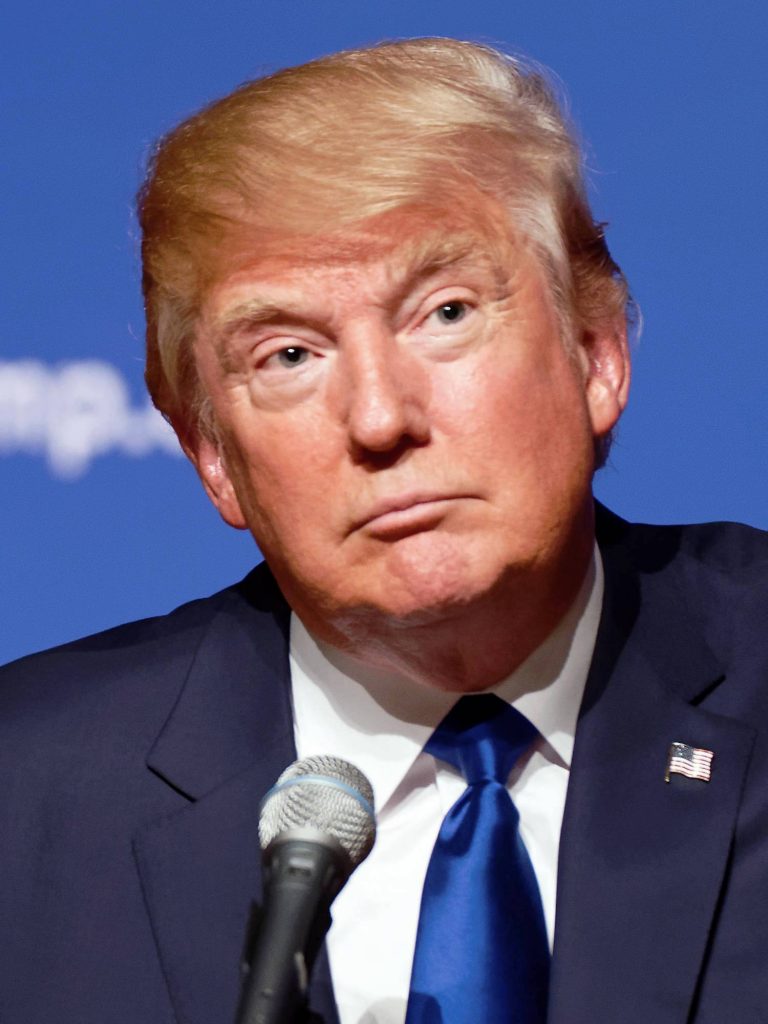
In coming weeks, BirminghamWatch will look at a number of the programs on President Trump’s chopping block and ask, “What If.” Stories behind the programs targeted for elimination show why they’re valued or disdained, troubled or effective, applicable or outdated, but perhaps most of all, entangled in the lives of Alabama's people.

But Wait, There’s More

Trump’s wish list of budget eliminations connect with his overall efforts to get rid of programs he opposes. And that connects as well to his more recent move to rescind some of the money Congress already authorized for specific programs. On May 8, the Trump administration submitted a request to Congress to pull back $15.4 billion already approved for funding various programs. It’s called a “rescission.” On June 5, the White House had amended the rescission request, removing some cuts and modifying others. As of June 7, CNN reported, the House had approved the president’s proposal by a narrow vote – 210 to 206. The rescissions, according to CNN, are unlikely to go far in the Senate. Conservative groups urge passage of the package, while Democrats are attacking the proposed cuts. “While the package nixes $15 billion, the Congressional Budget Office estimated it will essentially only save the government about $1 billion,” according to CNN. Rescission 2018 “At the direction of President Trump, the Office of Management and Budget has worked diligently to identify wasteful and unnecessary spending already approved by Congress,” said Russ Vought, deputy director of the White House Office of Management and Budget. Specifically, the White House, said, “the proposed rescissions affect programs of the Departments of Agriculture, Commerce, Energy, Health and Human Services, Housing and Urban Development, Justice, Labor, State, Transportation, and the Treasury, as well as of the Corporation for National and Community Service, Environmental Protection Agency, Railroad Retirement Board, the Millennium Challenge Corporation, and the United States Agency for International Development.” According to the nonprofit Bipartisan Policy Center, Trump’s move to rescind approved funding is unusual – at least for a president. “This budget tool is not regularly used by a president; the last time was by the Clinton administration,” the BPC says on its website. “While it is unusual for a president to seek a rescission, Congress itself regularly does rescission packages within annual supplemental appropriations so that funds that have not been spent can be used elsewhere.” Vought cast the president’s rescission request in a somewhat different light. “While this authority hasn’t been used in nearly two decades, every president from Gerald Ford to Bill Clinton successfully rescinded funds,” he wrote. “From 1974 to 2000, approximately 40 (percent) of presidential rescission proposals were enacted in some form. Members of Congress in both parties have supported rescissions packages similar to the one President Trump is proposing.” Read more.

Trump’s Budget Wish List: What It Could Mean for Alabama

If President Trump were to get the federal budget he proposed in February, people in Alabama would stand to lose programs designed to improve distressed neighborhoods, provide affordable housing in rural communities, assist small manufacturers, support the training of nurses, provide legal assistance to low-income residents and veterans, pay for economic and workforce development in Appalachia and support farm workers. Trump’s 66 proposed cuts – a wish list he put out to signal policy priorities – would touch a wide array of programs affecting people, whether they live in urban or rural areas. Those employed in health care, space exploration and farming, and educational opportunities for students would be affected, among others. Noting that Trump’s proposed cuts would bring steep cuts to domestic programs, including Medicare, Medicaid, the Supplemental Nutritional Assistance Program (SNAP), Community Development Block Grants, housing programs, worker training programs, and more,” Rep. Terri Sewell, a Democrat from Alabama’s 7th Congressional District, portrayed the president’s efforts as bad for needy Americans, including those in her state. Read more.

But Wait, There’s More

Trump’s wish list of budget eliminations connects with his overall efforts to get rid of programs he opposes. And that connects as well to his more recent move to rescind some of the money Congress already authorized for specific programs. Read more.

The List of Proposed Cuts With the Most Impact on Alabama

Of the programs on the original list of 66 that the president proposed to eliminate, there were 40 that would impact Alabama, based on a BirminghamWatch examination. Read more.

The List of Proposed Cuts With the Most Impact on Alabama

Of the programs on the original list of 66 that the president proposed to eliminate, there were 40 that would impact Alabama, based on a BirminghamWatch examination: The Economic Development Administration Manufacturing Extension Partnership National Oceanic and Atmospheric Administration Grants and Education Single Family Housing Direct Loans Rural Water and Waste Disposal Program Rural Business Cooperative Services 21st Century Community Learning Centers Advanced Research Projects Agency – Energy Agency for Healthcare Research and Quality Community Services Block Grant Health Professions and Nursing Training Programs Migrant and Seasonal Farm Worker Training Low Income Home Energy Assistance Program Flood Hazard Mapping and Risk Analysis Program Choice Neighborhoods Community Development Block Home Investment Partnerships Program Self-Help and Assisted Homeownership Opportunity Program Account Abandoned Mine Land Grants Heritage Partnership Program National Wildlife Refuge Fund State Criminal Alien Assistance Program National Infrastructure Investments (TIGER) Corporation for Public Broadcasting Corporation for National and Community Service Legal Services Corporation Appalachian Regional Commission Federal Supplemental Development Grants Student Support and Academic Enrichment Grants Supporting Effective Instruction State Grants Teacher Quality Partnership Institutes of Peace NASA Office of Education NASA Five Earth Science Missions Senior Community Service Employment Program Energy Star and Voluntary Climate Programs EPA Geographic Programs National Endowment for the Arts National Endowment for the Humanities Overseas Private Investment Corporation

New Police Chief Smith Talks About Building Bridges With Communities to Reduce Crime in Q&A

Earlier this month, Birmingham Mayor Randall Woodfin announced that, after a six-month, nationwide search, he had selected a new chief for Birmingham’s police department. Patrick D. Smith, a commander with the Los Angeles Police Department, was selected to succeed A.C. Roper, who announced the day after Woodfin took office that he would be stepping down as chief. Smith officially started as chief on June 25. He still has a “to-do list” for getting settled in to the job, including meeting with Sheriff Mike Hale and other nearby law enforcement leaders. But he’s already begun to implement some of his priorities for the job, such as hiring more officers and placing emphasis on the first 72 hours of investigations. Smith recently spoke with BirminghamWatch about what initially drew him to Birmingham and his plans for addressing some of the city’s biggest obstacles. Read more.