Economy Archives - Page 14 of 36 - BirminghamWatch

Economy

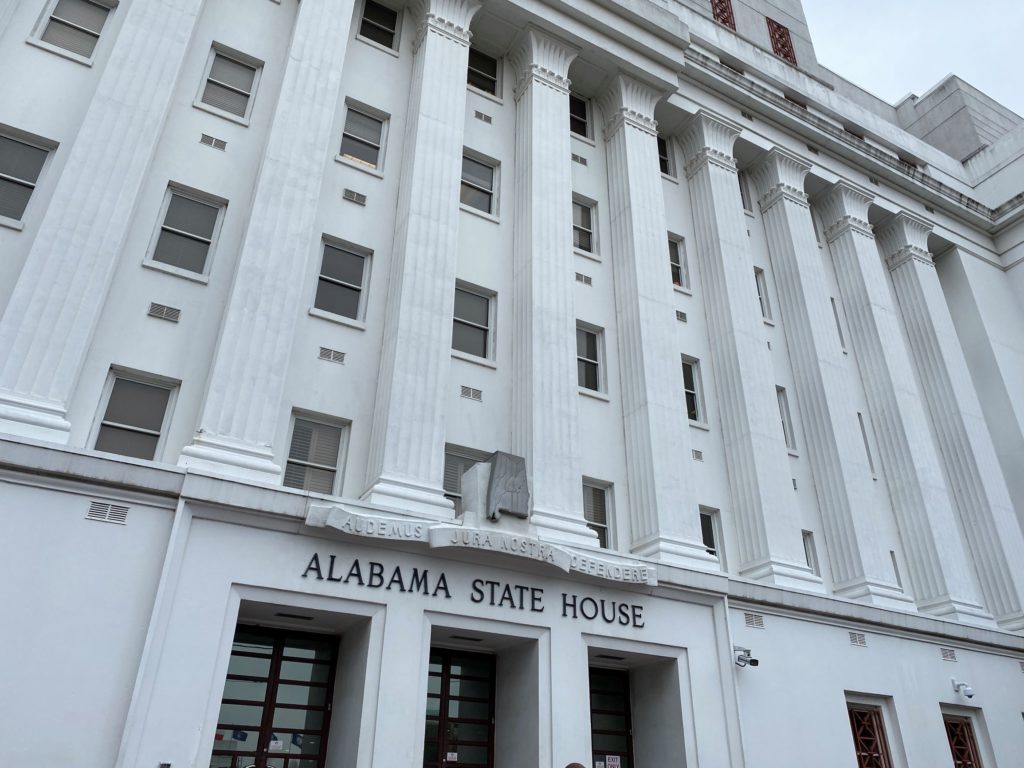
State Budget Leaders Watching Rising Inflation, Possible Effects

Like Alabama families watching the rising costs for groceries, gasoline and other goods, state officials are monitoring inflation increases that could hurt government budgets and buying power. “It’s certainly going to affect (state spending); there’s no question about it,” said Rep. Steve Clouse, R-Ozark, chairman of the House General Fund budget committee. “Just through the everyday cost of running agencies, transportation cost, it is going to filter down to the state level and we’ll have to compensate for that.” The U.S. Department of Labor this month reported inflation at the wholesale level rose 8.6% in September compared to a year ago, the largest advance since the 12-month change was first calculated in 2010. Meanwhile, inflation at the retail level rose 0.4% in September with its consumer price index up 5.4% over the past 12 months, matching the fastest pace since 2008. Kirk Fulford, deputy director of the Legislative Services Agency, said there was increased demand for goods and services this year, which, coupled with the huge amount of stimulus funds provided to citizens, will cause prices to rise. “Everything will cost more, from gas to groceries to inputs to production, which will put increased pressure on wages and salaries to keep up with costs,” Fulford said. “This is even heightened when the labor market is tight. You can see this now in many work environments.” Read more.

Birmingham Takes Part in Embrace Mothers Guaranteed Income Pilot

The city of Birmingham is taking part in a pilot project to provide guaranteed minimum incomes to 110 female-identifying heads of households with at least one child. The Birmingham City Council gave final approval Tuesday to the Mayor Randall Woodfin Administration initiative, Embrace Mothers. The program is in partnership with Mayors for a Guaranteed Income, which is giving the city a $500,000 grant to execute the pilot program. Read more.

Despite Low Unemployment, State’s Economy Suffers From Workforce Participation Slump

MONTGOMERY — Alabama's 3.1% unemployment rate is the lowest in the Southeast and among the lowest in the country. State leaders have repeatedly pointed to this impressive mark as a sign of the state's economic recovery from the throes of the COVID-19 pandemic, which saw unemployment soar to nearly 14% last year. Yet, employers across the state are struggling to find enough workers to fill jobs, forcing some to cut back business hours or production. Why the economic disparity? It could have to do with the number of Alabamians actually participating in the workforce, a figure that has shrunk during the COVID-19 pandemic. Read more.

COVID-19 Federal Funds in Alabama Total $46B, Contribute to Big 2021 Tax Revenues

About $46.8 billion. Billion with a B. That’s how much federal COVID-19 relief money has gone to Alabama residents, businesses and government agencies since the pandemic began. About $30.3 billion of that has been given directly to individuals and businesses to assist them, Kirk Fulford, deputy director of the Legislative Services Agency, told state lawmakers recently. About $6.3 billion was in the Paycheck Protection Program, forgivable loans to help businesses weather the economic drought caused by COVID-related shutdowns. And nearly twice that much, $12.6 billion, has gone directly to individuals in stimulus checks. The money had a big impact on the state’s record tax receipts for fiscal 2021, which ended last week, Fulford said. That’s especially true in the Education Trust Fund, where sales and income tax are the main contributors. Read more.

Officials: COVID-19 Rental Assistance ‘Moving More Quickly’

The state authority charged with distributing up to $263 million in federal funding for emergency rental assistance told a panel of lawmakers Wednesday it has pledged for distribution most of the money, eliminating the risk of a federal take back. So far, about 3,307 Alabamians have received a total of nearly $22 million in pandemic-related rental assistance. Read more. Previously: Congressional Committee Questions Alabama’s ‘Slow’ Distribution of Rental Assistance

Pay, Workers Increase in Hospitality Industry, but Some Restaurants Still Face Shortage

Labor data shows recent increases in wages and workers in Alabama’s leisure and hospitality industry, though the number of workers has not reached pre-pandemic levels and some restaurants still are scrambling to hire help. One Birmingham restaurateur says he’s still dealing with major staffing shortages. “It’s crazy … I work more now than I did 50 years ago, when I first came to the United States,” said George Sarris, owner of Southside’s Fish Market, who came to Birmingham from Greece. The pandemic had a major effect on restaurants and their workers. Dozens of Birmingham-area restaurants closed their doors due to the pandemic. The research firm Datassential reported in late March that 10% of all restaurants in the country had closed permanently since the pandemic started. But hospitality employment numbers have improved recently, both throughout the country and in Alabama. Read more.

Alabama Unemployment Rate Continued Downward Trend in August

Alabama’s unemployment rate continued to tick downward in August to 3.1%, down from 3.2% in July and 7.1% in August 2020. “Alabama continues our streak of dropping unemployment, getting more of our people back to work and able to provide for their families, and we are seeing our jobs count and wages consistently rise,” Gov. Kay Ivey said in a written statement Friday. “Employers in Alabama have jobs to fill, and they’re doing so at a good pace. We’re proud of the progress Alabama is making as we continue to overcome the challenges we faced due to the pandemic. Alabama is working again, and we know our work is not done yet.” The rate hit a pandemic high of 13.2% in April 2020. It was in the 2% range prior to the virus’ arrival in the state and subsequent slowdowns and shutdowns. Read more.