Tag: Birmingham police
Birmingham Police Chief Patrick Smith Resigns, Citing Personal Matters

Birmingham Police Chief Patrick Smith resigned Friday, saying he wanted to focus on personal matters.
Birmingham Mayor Randall L. Woodfin appointed Capt. Scott Thurmond, a 23-year veteran on the force, to replace Smith on an acting basis, according to a statement issued by the mayor’s office.
In a letter to Woodfin on Friday, Smith resigned effective Feb. 25, but he asked to be put on administrative leave with pay until then to allow him to conclude some personal business and to allow for a smooth transition to new leadership. Read more.
Birmingham Debuts New Tech Hub to Help Solve Crime in Real Time

Birmingham leaders officially opened the city’s Real Time Crime Center Tuesday, a project intended to give the Birmingham Police Department new technological tools to help resolve crime more quickly. Read more.
Woodfin Won’t Resign in Controversy Over Police Shooting

Mayor Randall Woodfin said he will not resign despite Black Lives Matter Birmingham’s calls for him to do so following last month’s police killing of Desmon Montez Ray Jr.
Ray, 28, was killed by police on Easter Sunday as they responded to a domestic dispute call in north Birmingham. After a chase, officers say Ray fired a gun at police as he exited his vehicle; they returned fire, killing him.
After criticism from Ray’s family and local activists, Birmingham Police Chief Patrick D. Smith released three videos — from officers’ body cameras and a neighbor’s security camera — showing the shooting.
On Monday, Black Lives Matter Birmingham called the release of the videos “unacceptable.” Read more.
Birmingham Sets Up Civilian Board to Review Police Misconduct

Mayor Randall Woodfin announced Monday morning the creation of a Civilian Review Board to investigate claims of misconduct by the Birmingham Police Department. The five-member board will have the authority to investigate citizen complaints and will have some subpoena powers to aid those investigations, Woodfin said. Read more.
Birmingham Won’t Defund Police, but Public Safety Plan Includes Training, Social Workers and Civilian Oversight of Complaints

The city of Birmingham said “no” to defunding the police but “yes” to social workers partnering with police, “yes” to improving police training and giving citizens a role in overseeing complaints, and “yes” to better services with which officers and members of the public can interact.
Those are some of the conclusions in the 100-plus-page report Reform and Reimagine Birmingham Public Safety, issued Thursday after a months-long look at how to improve interactions between the city police force and the rest of the community.
Mayor Randall Woodfin and City Council Public Safety Chairman Hunter Williams rolled out the report during a press conference in which they promised more transparency and accountability, enhanced efforts to connect with businesses and the public, and an ongoing commitment to change for stronger relations with constituents. Some of the reforms will go into effect almost immediately. Others may take a year or more, Woodfin said.
The report came from the city’s Public Safety Task Force, which included a former U.S. attorney, a retired detective, an anti-police brutality advocate, a lawyer and the co-founder of Black Lives Matter Birmingham.
Woodfin said the city also will need the assistance of health care providers and citizens to make the reforms work over the long term. Read more.
De-Escalation and Implicit Bias Training for Police Pushed, but Effectiveness Can Be Limited

If practice really does make perfect, can the right kind of officer training make police shootings and excessive force less common?
Some advocacy groups and politicians believe it can. Reforming training, particularly with the addition of de-escalation or implicit bias programs, is a popular proposal in the ongoing national conversations about police use of force.
Appropriate force is especially pertinent in Alabama right now. The ACLU has reported that there were 13 officer shootings in the state as of June 30, 2020, an increase of more than 60% from the 2015-2019 average of 8.2 shootings in the same months.
The national campaign 8 Can’t Wait’s eight police reform policies includes requirements for officers to de-escalate situations when possible and to try all alternative actions before using deadly force. President Donald Trump’s “Executive Order on Safe Policing for Safe Communities” in June included “scenario-driven de-escalation techniques” among its proposed federal programs for improving policing.
The Alabama Peace Officer Standards and Training Commission, which sets the standards for police training statewide, is also planning to add a new implicit bias course to its police academy curriculum, according to Law Enforcement Academy-Tuscaloosa Director Randy Vaughn.
On paper, de-escalation, implicit bias and similar training programs reduce violent encounters between civilians and police by giving officers tools to change internal prejudices and resolve situations peacefully.
But there is little uniformity among police departments on what this training includes and how it is implemented. Groups such as the ACLU of Alabama also say that, at the end of the day, a training seminar is not likely to change mindsets enough to make a real difference in the use of force.
“Those (types of training) are not what is going to fundamentally shift the culture of policing and interacting in our communities,” ACLU of Alabama policy analyst Dillon Nettles said. Read more.
This is the third piece in a package on policing in the Birmingham area. In coming days, we’ll be presenting stories about the local debate over “defunding” the police and high incarceration rates among Blacks. Previously in the The Legacy of Race: Policing
Police Brutality Brought Early Alabama Reckoning. Nation Faces Similar Questions Now.
Dogs, Firehoses Were a Precursor to Today’s Violent Protests
Approval of New License Plate Cameras Stir Up the ‘Defund the Police’ Argument in Birmingham
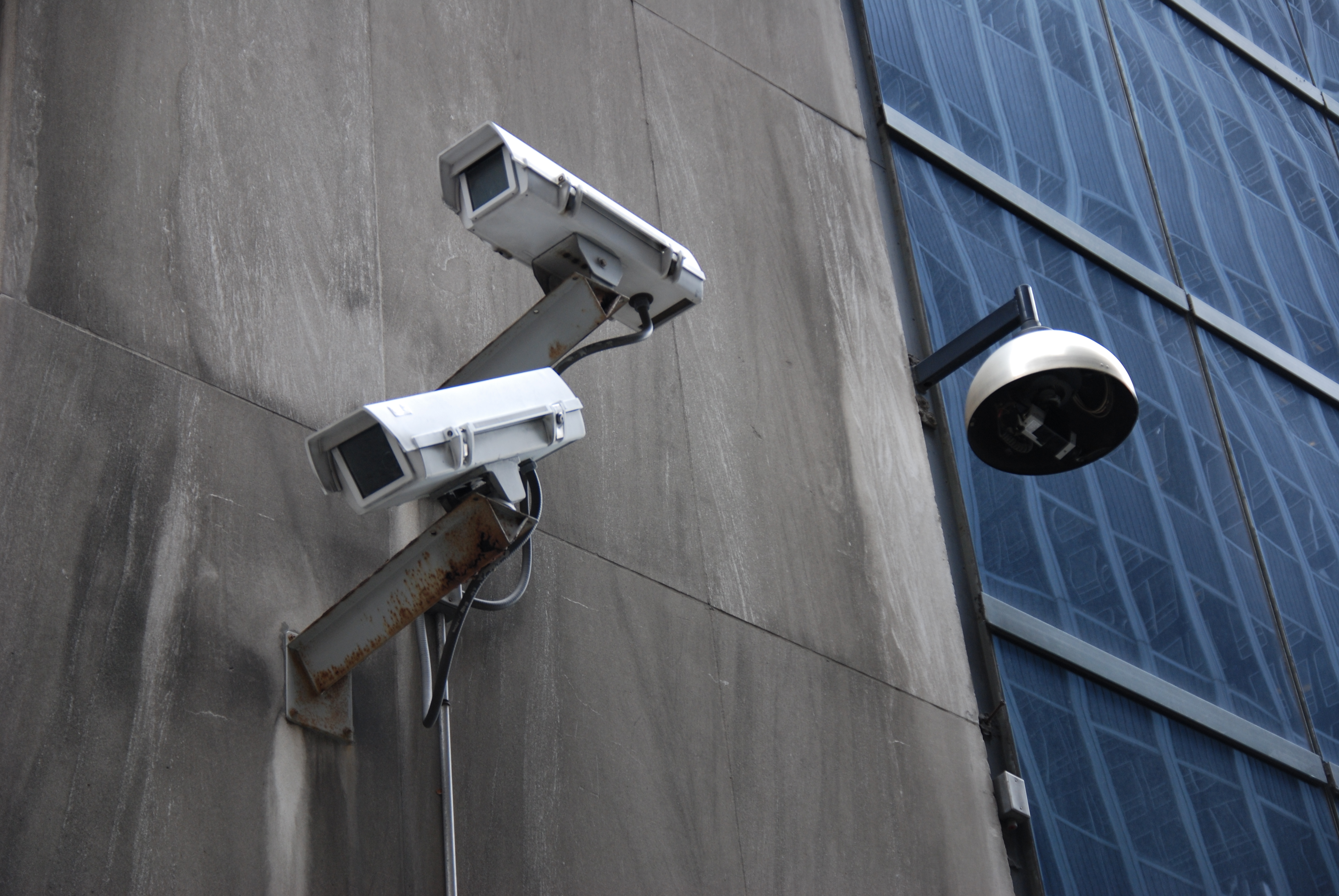
The Birmingham City Council voted Tuesday to approve the installation of 10 license plate recognition cameras as part of a deal with Alabama Power. The utility will install and maintain the cameras at a monthly cost of $2,291.67 to the city.
The council passed the item unanimously but not without some public criticism. Keith O. Williams, a resident representing the community action group People’s Budget Birmingham, told councilors that his organization had written to all nine councilors Monday requesting a public hearing on the item but had received no response.
The group was concerned, Williams said, over “excessive use of funds for the police department” during a year in which the city is facing a significant revenue shortfall due to the COVID-19 pandemic. Read more.
Birmingham Conducting Review of Police Department Procedures, Could Make Changes to Operate in Post-George Floyd World

In a Wednesday morning press conference, Mayor Randall Woodfin sketched out plans for how the Birmingham Police Department will proceed “in a post-George Floyd world.”
Those plans, he said, involve a 30-day internal review and the formation of a community safety task force that will perform a “90-day deeper dive into all our BPD rules and procedures.” Any “gaps between what we do now and best practices,” he said, would be addressed via executive order.
“Everything is on the table,” he said. Read more.
Protestors Ask Birmingham Council to ‘Defund the Police’

Approximately 50 protestors gathered outside Birmingham City Hall during Tuesday morning’s City Council meeting, but most weren’t allowed inside due to concerns over social distancing during the COVID-19 pandemic.
Instead, their voices, sometimes amplified through bullhorns, could be faintly heard throughout the meeting from outside, even as Mayor Randall Woodfin promised to “soon share a closer look at the processes and procedures at the Birmingham Police Department, including training and disciplinary actions for officers, adjustments within Internal Affairs and more.”
The voices outside were calling for a much larger step to be taken: for the City Council to “defund the police.” Read more.
Birmingham Requires Face Coverings Through July 3
Birmingham has extended its face covering ordinance through July 3. The ordinance requires all Birmingham residents to wear face coverings in public places to slow the spread of COVID-19. Read more.
Birmingham PD Adds High-Tech Tools to Its Crime-Fighting Arsenal

The Birmingham Police Department will soon have two new high-tech crime-fighting tools at its disposal. On Tuesday, the Birmingham City Council approved nearly $75,000 for two law enforcement software systems, PredPol and Assisted Patrol Bait Systems, which are designed to increase patrol efficiency and crack down on repeat offenders, respectively. Read more.