
CAW Will No Longer Add Fluoride to Drinking Water
The decision is based on financial and operational considerations.
The decision is based on financial and operational considerations.

Dr. Mark Wilson is well-known for leading residents through the COVID-19 pandemic, but his legacy includes a larger effort to expand the role of public health. Read more.
Alabama state health officials are asking workers in the region’s poultry industry and their close contacts to get screened for TB after the outbreak. Read more.

Public health officials say the federal rule change should expand access to the overdose-reversing medication, after years of navigating tough state restrictions on who can dispense Narcan. Read more.

Drug overdose deaths topped gun and vehicle-related deaths investigated last year by the Jefferson County Coroner’s Office. Read more.

The COVID-19 health emergency could end soon; tens of thousands of new mothers could lose their healthcare coverage unless legislators take action. Read more.

This story was originally published by ProPublica. Portable generators can save lives after major storms by powering medical equipment, heaters and refrigerators when the grid collapses. But desperate residents who rely on the machines to keep their families safe sometimes end up poisoning them instead. The devices can emit as much carbon monoxide as 450 cars, according to federal figures. They kill an average of 70 people in the U.S. each year and injure thousands more, making them one of the most dangerous consumer products on the market. Read more.
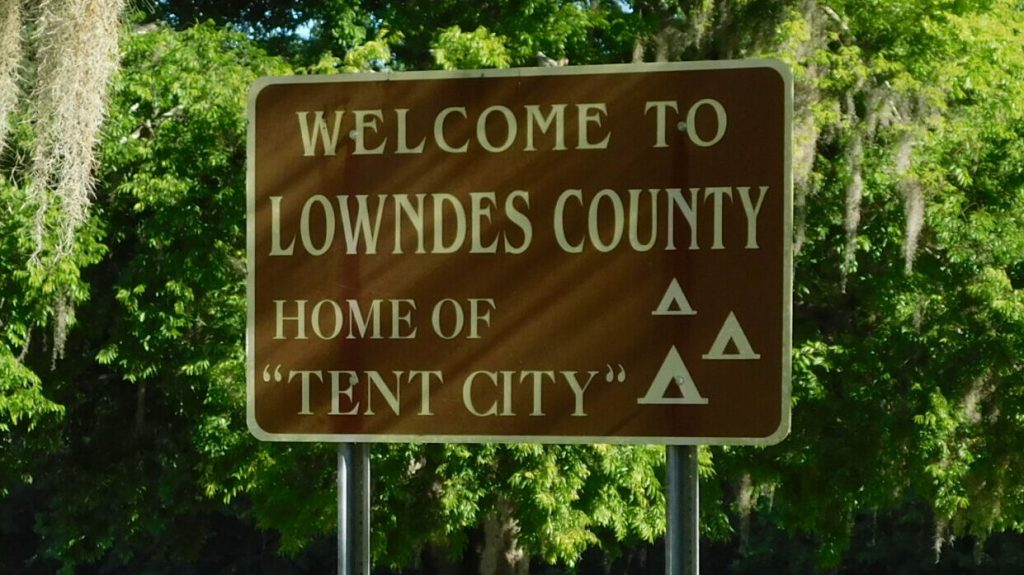
The U.S. Department of Justice is opening an investigation into the Alabama Department of Public Health and Lowndes County Health Department over concerns that the wastewater systems in rural Alabama discriminate against poor Black residents. The investigation, opened Tuesday, is looking into the health departments’ wastewater disposal and infectious disease and outbreaks programs. In a press release, the department said it is examining whether ADPH and LCHD are violating Civil Rights Law and whether the departments’ policies have reduced Lowndes County’s Black residents’ access to sufficient sewage and water systems and increased their exposure to harmful infections associated with poor wastewater management, such as hookworm — an intestinal parasite widely eliminated elsewhere in the U.S. Read more.