Donate today to help Birmingham stay informed.
The city of Birmingham on Monday released a plan that sets strategies and action plans to make its communities safer over the next five years.
The Birmingham Violence Reduction Strategic Plan sets a goal of reducing homicides and shootings by 10% a year for the next five years. But it has a broader mission for a coordinated effort to work with at-risk individuals and entire communities before crime becomes an issue.
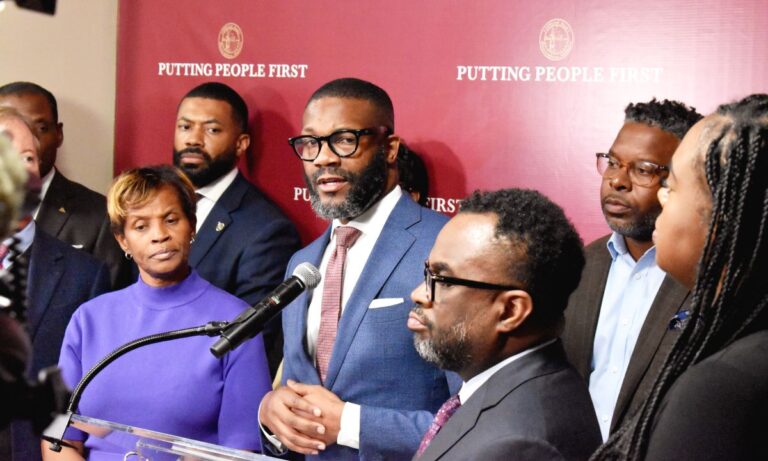
Mayor Randall Woodfin described the city’s violence prevention efforts as working to build a “culture of safety” throughout the city.
“Ultimately, this plan is about more than just reducing numbers,” Woodfin said during a press conference. “This is more than about stats. This is about changing what is possible in our city, what is possible in our neighborhoods and communities but, most importantly, what’s possible for our citizens, our people and our youth.”
The plan rests on four “pillars” — supporting safety and wellness, engaging and empowering community, strengthening policy and oversight, and increasing youth safety.
Birmingham’s Office of Community Safety Initiatives coordinated drafting of the plan. It is in many ways an extension of work the city, police department, nonprofits and community groups already have begun, but it adds specific goals and benchmarks to chart and measure progress.
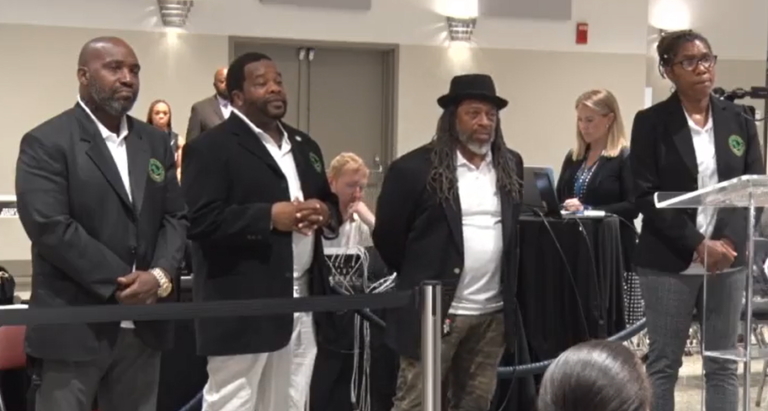
For instance, the city’s focus on working with at-risk individuals through programs such as the Offender Alumni Association and the city’s Restore program are front and center in the new plan. The Birmingham Police Department also is continuing to refine a gun violence reduction strategy using data to identify potential problem spots or offenders.
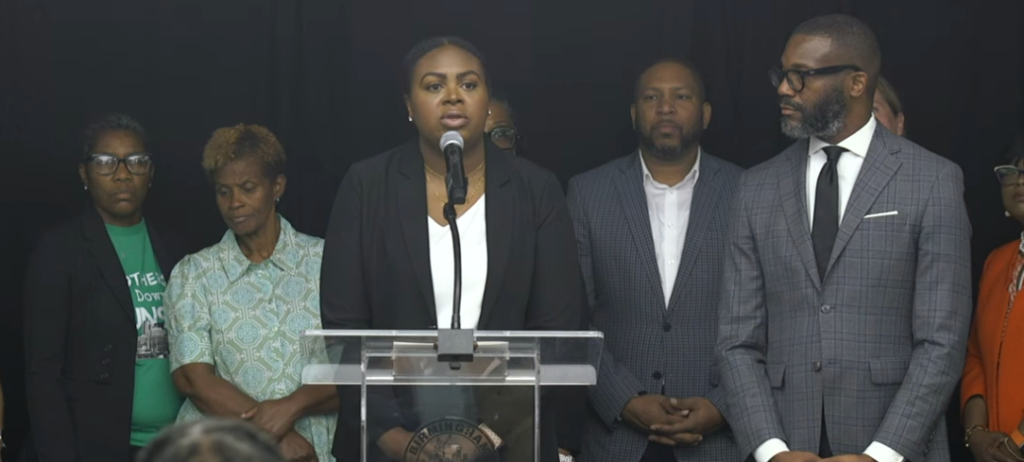
“We are already doing the work, this plan is just to hold us accountable,” said Uche Bean, director of the Community Safety Initiatives Office for the city.
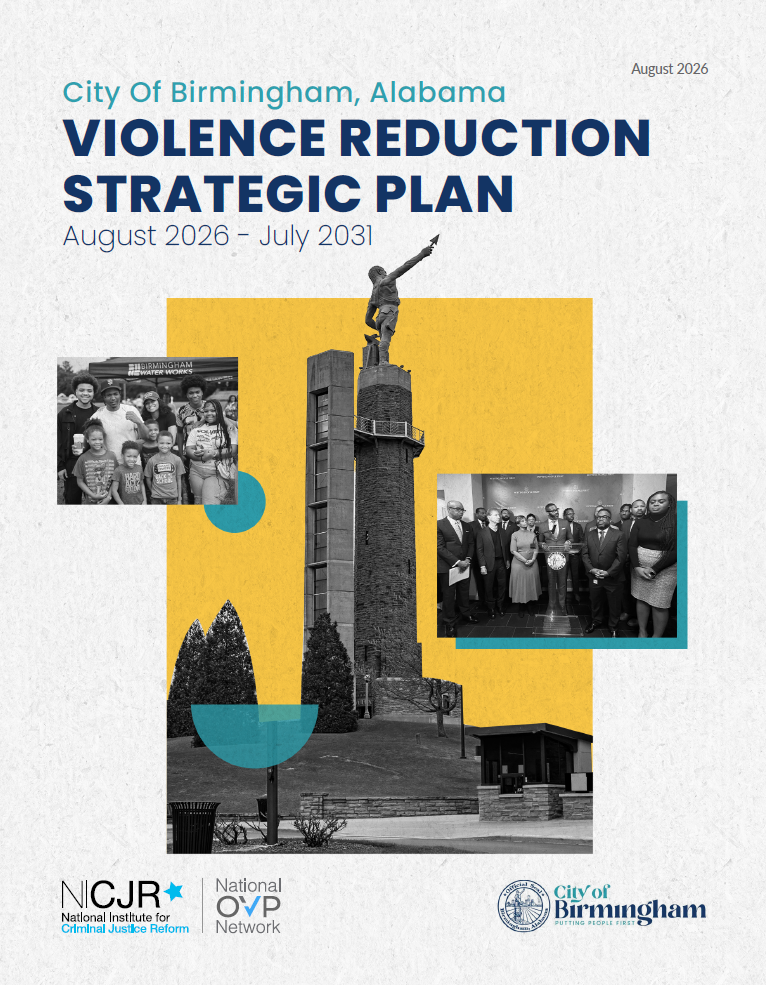
The 36-page plan talks in detail about the city’s goals and strategies. The highlights of the four pillars are:
Supporting Safety and Wellness
- Evolve gun violence reduction strategy.
- Develop cohesive community violence intervention ecosystem.
- Coordinate community and government partnerships.
- Strengthen crisis response to overdose.
- Establish coordinated domestic violence response.
Engaging and Empowering Community
- Strengthen community education and communications.
- Integrate community input.
- Conduct landscape analysis.
- Provide capacity building for community-based organizations.
- Grow and strengthen wraparound supports.
- Build conflict resolution skills.
- Bolster reentry programming, for those returning from incarceration.
- Expand victim services.
Strengthening Policy and Oversight
- Increase data capacity and public safety accountability.
- Enhance data-driven policing.
- Maintain BPD growth.
- Promote trauma-informed strategies.
- Advance measures to reduce gun trafficking.
- Foster sustainability.
- Establish and strengthen federal, state and local government agency partnerships.
Increasing Youth Safety
- Build youth and family conflict resolution skills.
- Grow life coaching and mentorship.
- Engage caregivers.
- Evolve youth justice.
- Increase gun safety.
Woodfin described the plan as a road map guiding the city.
‘We are building a culture of safety,” he said. “That culture should also include opportunity.”