Category: Environment

It’s Not Just Alabama. Coal Ash Toxins Foul Groundwater in 91 Percent of Nation’s Coal Ash Sites.

Alabama’s not the only state with highly polluted groundwater from coal ash basins.

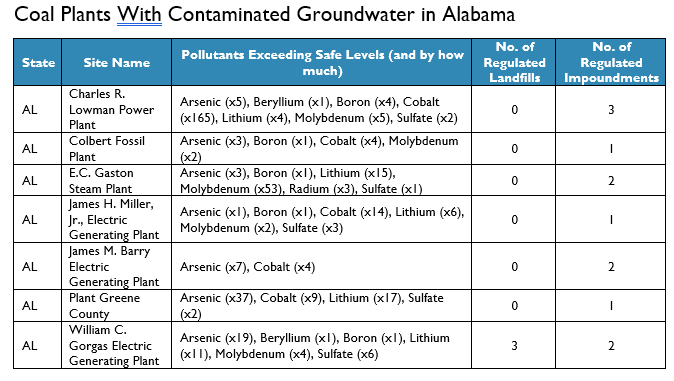
In December, electric utilities in Alabama confirmed that 100 percent of regulated coal ash storage pits were within five feet of groundwater, failing the Environmental Protection Agency’s standard for protecting the water supply from a myriad of cancer-causing and otherwise toxic chemicals.

Since then, one state after another has found similar results from tests mandated by the EPA. Records released of 265 power plants around the United States show arsenic, lithium and other pollutants are in the groundwater at 91 percent of the sites where combusted coal residue is stored.

The national data was to be revealed today at a noon press conference by the nonprofit watchdog group Environmental Integrity Project with assistance from Earthjustice, a nonprofit environmental law organization.
Read more.

Riverkeeper and BWWB Warn Another Coal Mine Threatens the Mulberry Fork

Four years ago the Black Warrior Riverkeeper roused public opinion to keep the Shepherd Bend coal mine from opening. Now the river protection advocacy organization is warning of another proposed mining operation – this one three miles upstream on the Mulberry Fork from Shepherd Bend.

What’s called the No.5 Mine is in the Walker County community of Dovertown, near the city of Cordova. Mays Mining Inc. would operate the mine at a former industrial site that was left with contaminated groundwater, according to Riverkeeper Nelson Brooke. Read more.

Plant Gorgas Latest Coal Giant to Fall as Power Companies Turn Toward Natural Gas, Renewables

In the past four years, Alabama Power has reduced its coal-fired units from 23 to 10. After Plant Gorgas closes, only three coal-burning plants will remain in the company’s energy portfolio.

The Plant Gorgas news came hard on the heels of PowerSouth Electrical Cooperative’s recent decision to shutter Plant Lowman on the Tombigbee River next year. Last week, the Tennessee Valley Authority board of directors voted to close two of the eight coal plants in its inventory. And just two weeks ago, Georgia Power Co. proposed to retire five such units at two power plants.

These are just the latest in a trend across the country to reduce reliance on coal and diversify utility portfolios with other sources of energy, principally wind, solar and other renewables. Read more.

PowerSouth CEO Blames ‘Extremist Environmental Ideology’ for Shuttering a Coal-Fired Plant in South Alabama

PowerSouth CEO Blames ‘Extremist Environmental Ideology’ for Shuttering a Coal-Fired Plant in South Alabama

One of Alabama’s oldest coal-fired power plants will close next year. PowerSouth Energy Cooperative’s chief executive blamed the closure on “extremist environmental ideologies” and “environmental activists” in announcing that the Charles R. Lowman electrical generation plant on the Tombigbee River would be shuttered.

In an emailed newsletter on New Year’s Eve, Smith told Plant Lowman’s 150 employees that coal ash regulations, among others, are forcing the plant to end the use of coal to generate power at the Washington County facility.

“Good people will soon be looking for new jobs because of extremist environmental ideologies,” he said.

Environmentalists disagree, saying PowerSouth created its own problems by continuing to use outdated technologies and dumping coal ash near the water. Read more.

Local and State Springs, Tributaries, Wetlands May Suffer From Pollution if Proposed Rule Is Finalized

Environmentalists are warning that more than 80 percent of Alabamians receive their drinking water from sources that may lose critical protections under a proposed federal rule. The Waters of the U.S. rule was published Thursday in the Federal Register.

The Business Council of Alabama and the Alabama Farmers Federation are among those hailing the proposal, which would greatly reduce the environmental permits required of landowners and developers for discharges of wastewater and runoff of stormwater.

The rule will become final following a 60-day public comment period. Submit comments via the federal rulemaking portal. Read more.

Drummond to Pay $775,000 Penalty to EPA, Jefferson County Health Department

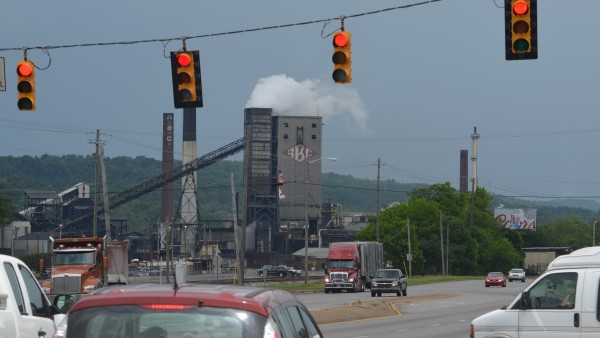
Drummond Company has agreed to pay a $775,000 civil penalty as part of a settlement contained in a consent decree relating to alleged violations of environmental laws at its ABC Coke Plant in Tarrant.

The announcement was made Friday by the U.S. Environmental Protection Agency, the Department of Justice and the Jefferson County Board of Health. The consent decree, which was issued the previous day, will not be final until after a public comment period has elapsed.

The health department on Tuesday called the settlement “significant” and said it plans to use its half of the civil penalty to benefit public health in the area that was affected by the air pollution at issue. Stanton indicated that the area affected could extend beyond the city of Tarrant.

“We’ll have discussions with elected officials and others in the area to figure out what kind of projects will help the environment and the public health there,” Jonathan Stanton, environmental health services director, said. “We really want them to be involved in that process and help to guide us as to what they need.” Read more.

Birmingham-Hoover Metro Among Top Areas Predicted to Suffer Economically From Climate Change

Alabama will be among the states most hit in the pocket book by changes due to global warming this century, even as it seems most Trumpian in its opposition to the issue.

The Birmingham-Hoover metro area is among the nation’s top 15 metro areas that will experience negative economic effects from increased heat and extreme weather events and other consequences.

A new county-by-county study by the Brookings Institution shows Alabama counties are among those facing the biggest long-term losses in income by the end of the 21st century. The analysis found that the top 10 states whose economy would suffer most include Alabama and eight others that voted for Trump, who has consistently downplayed or derided the idea of global warming.

In other words, people who are most exposed to climate impacts consistently vote for people who are opposed to doing much to mitigate climate change.

Adding insult to injury, a recent Department of Defense document named Reagan Operations Center in Huntsville and Gunter Air Force Base in Montgomery as among the installations currently or in the future vulnerable to climate effects as it assessed “operational risks.” Flooding and damage from stronger, more frequent events such as hurricanes, health and safety effects from increased temperatures, and greater land management issues are among the risks named.

These warnings came just as congressional Democrats prepare to lay out a Green New Deal that envisions economic benefits of policies that would ameliorate the effects of global warming. Read more.

North Birmingham Neighborhoods ‘Have Taken a Beating,’ Work to Unite Over Pollution Concerns

The EPA Superfund cleanup and ABC Coke’s proposed air emissions permit have dominated health concerns of residents in northern Birmingham neighborhoods for months. Now officials and residents of several neighborhoods there are attempting to form a coalition to broaden the concerns to other sources of possible pollution.

The flash point of the new effort is a scrap metal processor’s business license. The license was denied by a unanimous Birmingham City Council vote in March, but the owner successfully appealed the case in Jefferson County Circuit Court, which compelled the city to grant the license.

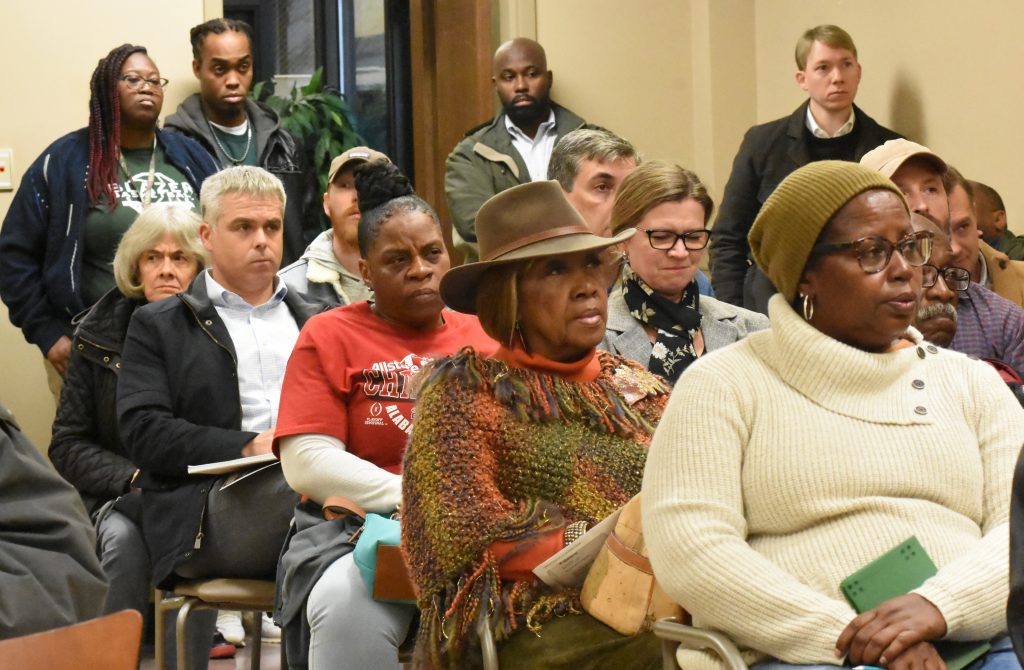
Catherine Evans, president of the Acipco-Finley Neighborhood Association, and City Councilman John Hilliard led a meeting Saturday of about 30 people, including officers of some other neighborhood associations, to discuss how to proceed after the court decision and how to meet concerns over respiratory illnesses and other health effects possibly related to industrial pollution throughout the largely African-American and low-income area.

Several people at the meeting called attention to the negative health effects of living in the North Birmingham community.
Gwen Webb, president of Inglenook Neighborhood Association, said, “I don’t care what side of town you live on, what organization you belong to, what neighborhood you’re in, we all are affected (by polluted air). I can tell you when I start smelling it, I cannot breathe, and pollution is injustice.” Read more.

EPA Studies Find Air Pollution Is Particularly Dangerous to Vulnerable Populations Such as People of Color and Children

See, Smell Air Pollution? Document and Report It.

EPA Studies Find Air Pollution Is Particularly Dangerous to Vulnerable Populations Such as People of Color and Children

Several recent studies funded by the U.S. Environmental Protection Agency confirm that air pollution disproportionately affects the health of African Americans and others of color. Three of the studies were highlighted in the December 2018 issue of EM, The Magazine for Environmental Managers. Read more.