Donate today to help Birmingham stay informed.
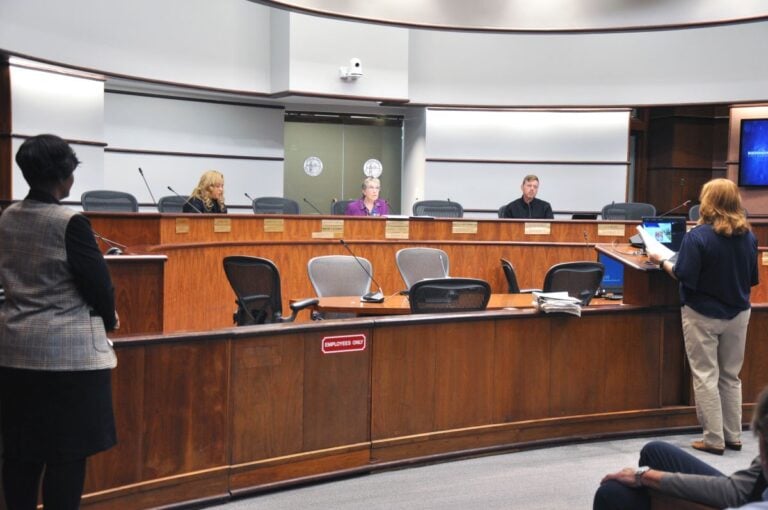
An ordinance temporarily pausing permits for new or expanded data centers in Birmingham is headed to committee after the City Council heard from the public during a Tuesday hearing.
“We want to make sure we get this right on the front end. That’s why I feel it’s important for us to follow the established guidelines and discuss this further in the Planning and Zoning Committee,” Councilor Darrell O’Quinn said. “I really appreciated the public comments we received today, especially the one saying we need to use a ‘scalpel and not a sledgehammer’ approach when dealing with these data centers. On the one hand, we know they are vital for industry and business and not all of them are the same. Residents are rightfully concerned about this issue and our goal is to get in front of this from a regulatory perspective. This temporary suspension will allow our city staff to do that.”
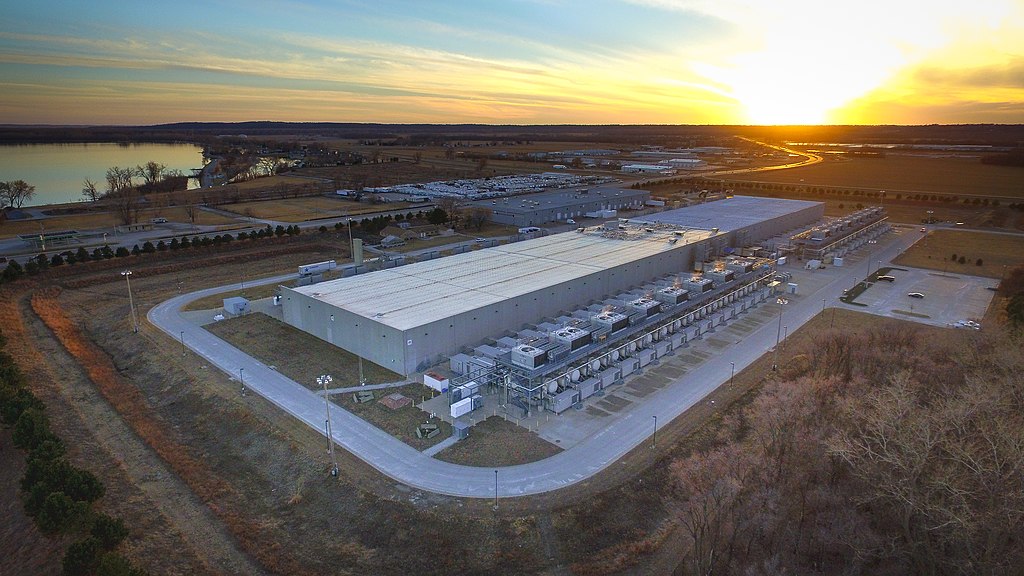
As the use of artificial intelligence and cloud computing have proliferated, so has the need for ever-larger data centers. These new, massive server warehouses are often called hyperscale centers, and they use substantial energy resources.
Hunter Garrison, deputy director of the city’s Office of Resilience and Sustainability, told the council that such hyperscale centers use anywhere from 200 to 700 megawatts of electricity. A single megawatt can power 1,000 residential homes.
The centers also use significant amounts of water. A study commissioned by the U.S. Department of Energy, estimates hyperscale data centers alone will consume between 16 billion and 33 billion gallons of water annually by 2028. The New York City area, for comparison, uses about 365 billion gallons annually.
“As these newer, more intense (data centers) emerge, we recognize a need to draft definitions for these, how we define them, potentially break them up into multiple classifications and analyze their impact on the community,” Garrison told the council Tuesday. Other jurisdictions, including Jefferson County, also have cited the need to study the potential impact of data centers in communities.
Birmingham’s current zoning doesn’t address data centers explicitly, but they have been allowed in certain commercial zones.
If passed, the proposed suspension on new permits would be in effect for 180 days.
Katrina Thomas, director of the city’s Department of Planning and Permits, told the council that the 180-day pause would allow city leaders time to evaluate existing zoning ordinances and determine whether amendments are needed.
“We will conduct public engagement, we will develop the potential zoning amendments for consideration. There may also be some amendments to the general city code, and any proposed amendments will go through the normal regulatory process, meaning they will go to the Birmingham Planning Commission, the Planning and Zoning Committee, and ultimately you as the City Council for final review and approval,” she said
During Tuesday’s hearing, several residents as well as representatives from community organizations spoke in favor of the permitting suspension.
Charles Miller, policy director of the Alabama Rivers Alliance, said there is a great deal of variation in the size and scale of data centers, and the city taking time to study and properly categorize such operations is a sound approach.
“That’s exactly why the city should take this pause, take this step back, this temporary suspension, allow your very well-educated and intelligent staff to set up something to bring to you guys that can really effectively take a hard look at these projects when they propose to come to town,” Miller said.
City leaders expect the proposed suspension to come back before the full council for a vote in the coming weeks.
Requiring Businesses to Files Taxes and Licenses Online
In other business, the council approved an ordinance requiring electronic filing for business tax returns and license renewals. City staff say this change will streamline the tax remittance process and it is the same methodology used by the state of Alabama.
These changes are expected to go into effect March 1. However, there will be a transitional period to still make payments in person while businesses get acclimated to the new process, according to city officials.
The council also reappointed two members to the Birmingham Planning Commission, both for 6-year terms: Stephen Schrader and Sharon Deep Nelson. This commission is charged with recommending the boundaries of various zoning districts and appropriate regulations to be enforced along with proposing amendments to the zoning rules.