Because the ivory tower of academia repels reality, I’m going to intrepidly and unapologetically ask: “Why the heck can’t a billionaire owner operate a newspaper at a loss forever?”
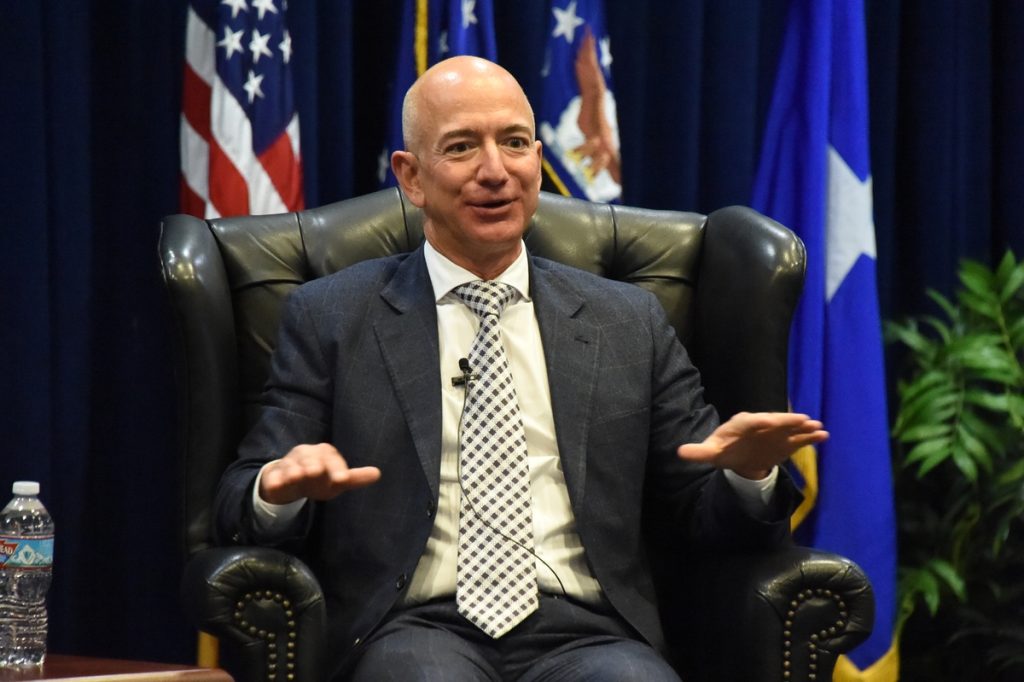
Jeff Bezos, who savaged his Washington Post by laying off 300 people last week, could offset five years of the Post’s most recent annual loss of $100 million with the money he makes in a single week, Peter Baker of The New York Times calculated. LA Times owner Patrick Soon-Shiong eliminated 20 percent of that newsroom in 2024 because he couldn’t continue yearly losses of $30-40 million. Said the man worth $5 billion.
It’s mighty presumptuous to tell a business owner he doesn’t have to make a profit. But buying a newspaper is not the same as buying a widget company. A news organization — at least one that does it right — is a civic benefit as much as a library or museum is, and research shows that damage to it leaves a community less informed, less participatory in government, and more likely to experience government corruption. It is not presumptuous to assign civic obligation to any news company owner.
Bezos, though, likely didn’t do what he did because he’s worried about losing pocket change. For the first several years of his ownership, he invested heavily in the Post, causing it to surge journalistically and financially, and he didn’t mess with how the newsroom did its job. Then two things changed. Highly regarded executive editor Martin Baron stepped down, and a more vengeful Donald Trump stepped up to a second term.
That prompted a series of decisions seemingly intended to remove reasons for Trump to get mad at the Post and possibly take action against Bezos’ many other business interests. No endorsement of a presidential candidate. A policy tilt to the right in the opinion department. A spiked editorial cartoon. And now last week’s layoffs and shuttering of some departments including, incredibly, the sports department. The clearly predictable aftermath of these moves was an exodus of talent from all departments, and lost revenue and good will from the public. That may neuter any further threat to Trump even if all the Post’s White House and politics reporters still have their jobs and independence. I will hold out hope for continued aggressive coverage of the Trump administration.
Billionaires as owners of news companies have been a mixed medley. While Bezos, Soon-Shiong and Rupert Murdoch have turned out to be terrible stewards of quality journalism, John Henry of the Boston Globe and Glen Taylor of the Minnesota Star-Tribune have bolstered their products and their communities. That is proving especially so in Minnesota in coverage of the ICE deportation effort. Outlets belonging to the Newhouse family’s Advance Local, including AL.com, still do good work but it’s not what it was before chainwide shrinkage last decade.
Any for-profit ownership — an individual, a publicly traded corporation, private equity, a hedge fund — would naturally prioritize profit margin over community service when numbers start trending down. There’s an alternative.
A small number of legacy newspapers have turned to the nonprofit model. The Salt Lake Tribune, the Tampa Bay Times, the Chicago Sun-Times and the Philadelphia Inquirer, for examples, are either nonprofit newsrooms or owned by a nonprofit foundation. The Spokane (Wash.) Spokesman-Review and the Ithaca (N.Y.) Times decided to become nonprofit last year. (BirminghamWatch, like many other digital news startups, is a nonprofit.)
Nonprofits, usually guided by an executive officer and a board of directors, still have financial motives and are not immune from shrinkage. Nor are they immune from political influences. But eliminating demanding owners or shareholders allows greater focus on civic mission.
Jeff Bezos ought to give the Post to a nonprofit (or sell it to someone with fewer conflicts of interest and less of a political agenda). He has rebuffed all inquiries.
For all the promise that the nonprofit model offers, ensuring good journalism in the face of economic obstacles will require both nonprofits and for-profits. There isn’t enough philanthropy in many communities to rely on nonprofits alone. For-profit journalism isn’t evil*. People interested in their community or nation will pay for journalism that matters. Ideally, an owner earns enough revenue to re-invest some of it into even more journalism worth paying for. And doesn’t do something short-sighted in the face of trouble like cripple the product.
*I require my entrepreneurial journalism students to design a plan for a for-profit venture, not a nonprofit one.

Tom Arenberg is an instructor of news media at the University of Alabama. He worked for The Birmingham News and the Alabama Media Group for 30 years. He published this commentary originally as a post on his blog, The Arenblog.
About News is a BirminghamWatch feature that publishes commentary by members of the media about the values and performance of today’s journalism. BirminghamWatch shares links to About News articles on Facebook and invites readers to join the conversation there.