
Donate today to help Birmingham stay informed.
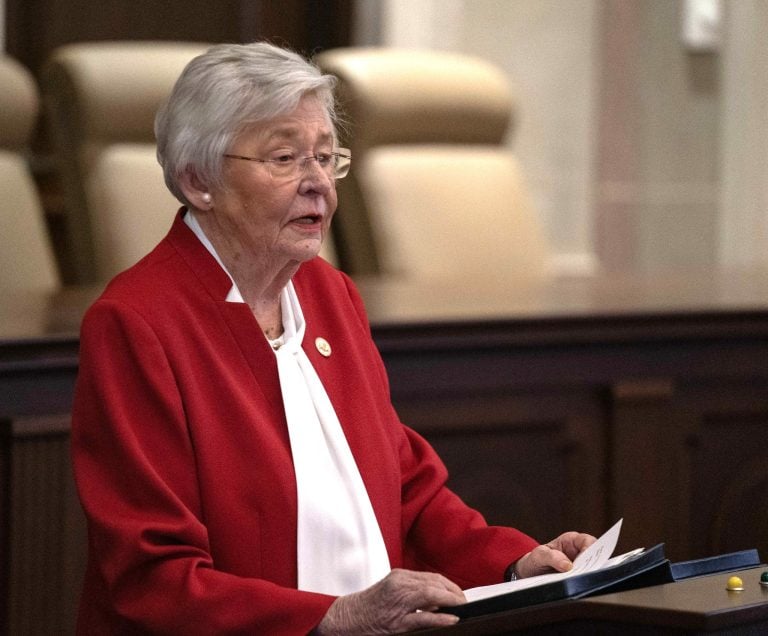
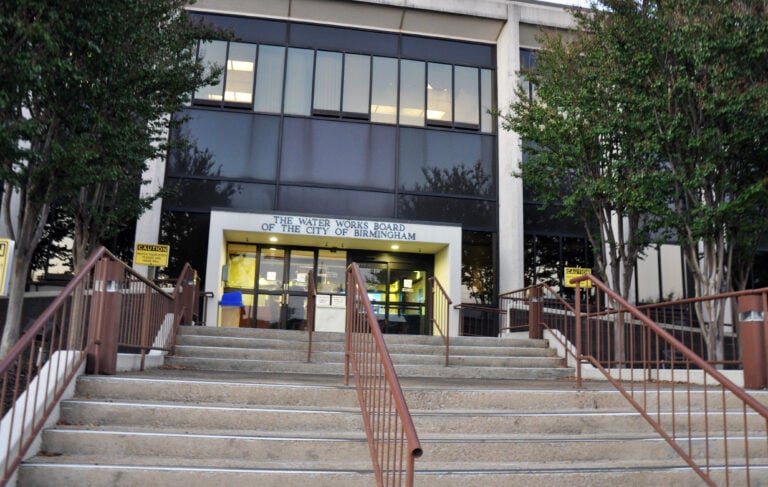
The Birmingham Water Works Board voted Wednesday to move forward with the city of Birmingham’s offer to purchase Alabama’s largest water utility for $1. The vote came the same day Gov. Kay Ivey signed a bill that eliminates the current board and sets up a new regional board, with less representation from the city.
Based on Senate Bill 330’s language, it is unclear whether the current board has authority to make decisions. The law states that it becomes effective immediately, but it also gives officials 20 days to name new members.
“This board has been working tirelessly with the city councilors of Birmingham and Mayor (Randall) Woodfin to protect the Birmingham Water Works and ensure our customers retain their voice and representation,” a statement by the BWW Board reads, in part. “We thank the city and its representatives for their urgent action and are proud to be working together to end these spiteful takeover attempts once and for all.”
The Birmingham City Council has a special meeting called for Thursday to discuss the water works situation.
Birmingham city officials announced Tuesday they had filed a federal lawsuit fighting the bill. The lawsuit claims the bill is unconstitutional and motivated by racial discrimination. U.S. District Court Judge Emily C. Marks denied the city’s request to issue an emergency restraining order blocking Ivey from signing the bill, but she set a May 15 hearing on arguments over whether to allow or block its implementation.
“We are steadfast in our efforts to pursue every legal option available to defend the interests of the city of Birmingham and the ratepayers,” City Council President Darrell O’Quinn said in a statement issued Wednesday night. “The effects of this law will not lower water rates … we look forward to our day in court.”
SB330’s sponsors and proponents said it was aimed at addressing billing, service and past corruption issues as well as ratepayers’ complaints about the cost of water.
Several BWW customers attended Wednesday evening’s special-called board meeting, in which board members entered a private, executive session for about 30 minutes before publicly voting 5-2 to authorize Chairwoman Tereshia Huffman to execute the purchase agreement the City Council approved Tuesday. The city proposed to buy the utility, which has assets worth more than $1.2 billion, and assume it’s debt of approximately $1 billion.
“We cannot lose members of the board,” said Emadeldin Khamis, who has lived in Center Point for the past year and was a resident of Birmingham’s Southside for 27 years before that. “It (the Water Works) belongs to Birmingham but has been shared with surrounding cities. I want to see the right thing done and the fair thing for everybody.”
The law reduces appointments by Birmingham officials from six to two. Currently, two directors are appointed to the BWWB by the mayor of Birmingham; four by the Birmingham City Council; one by the Jefferson County Mayors Association; one by the Shelby County Commission; and one by the Blount County Commission.
Under the new bill, the governor would appoint one member, who would have to be from Jefferson County; and one member each would be appointed by the lieutenant governor, the Birmingham City Council, the Birmingham mayor, the Jefferson County Commission president, the governing body of each county in which a BWWB-owned major reservoir is principally located, and by the commission in the county where the second-largest number of water customers reside.
Since 2001, the Birmingham Water Works Board has been a public corporation that owns and manages the Birmingham Water Works utility. The city of Birmingham purchased the water system in 1951 and has officially owned it at various times, most recently in the late 1990s.
Khamis, who displayed a sign reading “We demand to keep control of our water,” said the Water Works’ assets need to stay under the control of Birmingham because Birmingham and Jefferson County residents are the majority of ratepayers and those assets can be leveraged to help finance roads, schools and more.
According to BWW, 41% of its customers live in Birmingham and 91% reside in Jefferson County. The remaining ratepayers live in Shelby, Blount, St. Clair and Walker counties.
Keith Williams, a resident of Birmingham’s Titusville neighborhood, said the state is overreaching because of what he says the Birmingham Water Works stands for – money, power and control. SB330 is similar to taxation without representation, he said, because the group of people paying the most bills would not be represented proportionally.
“Power should reside with the majority of the ratepayers,” Williams said, adding that if the state can assert power over BWW, it could do the same with other Birmingham-area assets such as the Airport Authority.
He said the Legislature’s action tells the people of Birmingham the state doesn’t care what they want. He said those residents need to think about ways to strategically resist.
“One of the reasons we’re here is to find ways to come together,” he said.
Richard Franklin, a resident of Birmingham’s East Thomas neighborhood, said it was disheartening that no one from the state addressed BWW customers during the meeting to reassure them. He questioned how state-level officials would know whom to appoint to the new board when they don’t live in the area, and he said Birmingham residents are going to fight.
“If they want to do this, and we know there’s a lawsuit, but we’re going to hold them accountable, sit in their face,” Franklin said. “It’s our water company. We’re the ones who get the service. We’re not just going to allow them to run it and make decisions without putting our input in.”

Jefferson County Commissioner Sheila Tyson, who has been a critic of BWW due to customer complaints about billing issues, spoke after the meeting, opposing the state’s action.
“My criticism was nothing that couldn’t be corrected within the board that they had,” Tyson said. “They are putting the smart meters in. The smart meters would have taken care of all the problems that they had.”
BWW is in the midst of a project slated to be complete in 2028 that would transition the utility to an automated meter-reading system. Tyson said she hopes that project is not disrupted.
“This is a sad day in Birmingham and Jefferson County for the people who paid and invested in this water board in 1951,” she said. “This takes us back so far. It’s heartbreaking, and it just shows you that time changed, but people don’t.
Tyson’s comments echoed those in O’Quinn’s statement.
“Regardless of whether our efforts prevail, the worst, deep-seated fears of the citizens of the City of Birmingham about their suburban neighbors have been confirmed,” the statement reads. “Old wounds have been reopened. Years of progress have been destroyed. This is a huge setback for our entire region.”
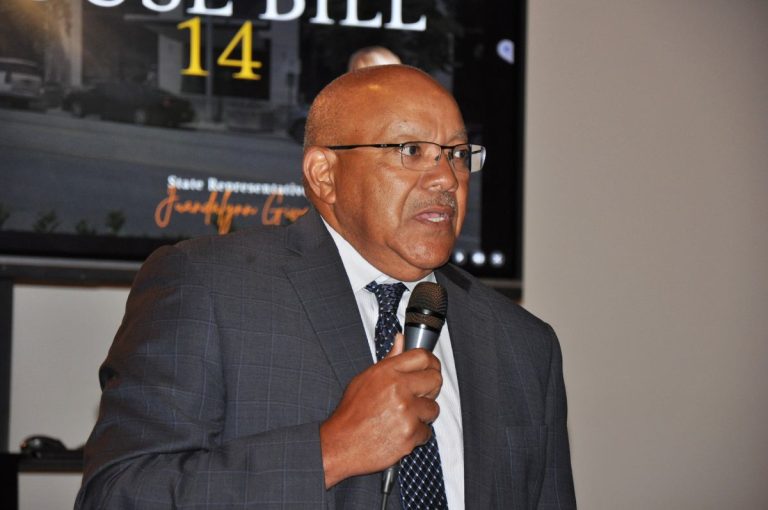
State Rep. Juandalynn Givan, who also is running for mayor, issued a statement condemning the new law and the city and water board’s reactions to it.
“Shame on the city leaders who sat silently, watching this unfold, refusing to lift their voices until it was politically convenient,” she said in the statement. “Their inaction is as much to blame as the bill itself.”
She also criticized the board’s recent actions, saying the board attempted “to rush through last-minute contracts and deals that are as suspicious as they are disrespectful.”
The board in a special-called meeting Tuesday did not address the city’s purchase proposal but did offer contracts to senior managers and an executive assistant.
In its statement issued Wednesday, the board said: “The fight to get to this point has taken time, but that was an intentional decision to ensure we were as diligent and thorough with our decision as possible. We are still in active negotiations with the city to sell the assets of the Birmingham Water Works. This is a very detailed matter and both parties are making sure the process is as thorough as possible.”