Economy
After Decades of Decline, Western Birmingham Sees New Investment Push
Donate today to help Birmingham stay informed.
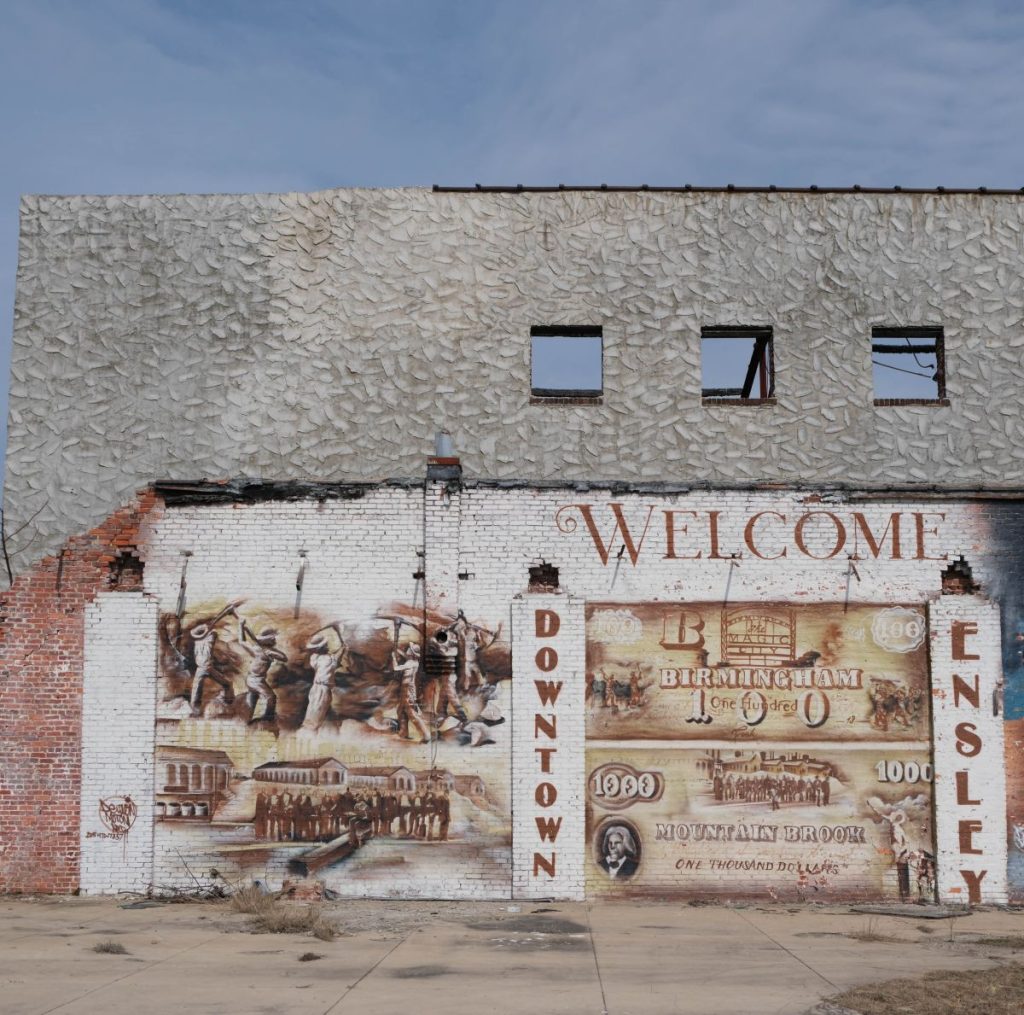
Janie Lee remembers what Ensley was like before Ensley Works closed.
Business was booming in those days, said Lee, who attended Baker Elementary in the 1960s and now works at Classic Tax Service on 19th Street. Factory workers used to come to town to shop, to eat.
“It was like old Crestline, old Mountain Brook,” Lee said.
It hasn’t been like that in many years. But plans by the city to redevelop Birmingport and Ensley Works as “anchor destinations” to stimulate economic growth in Birmingham’s western corridor could change that.
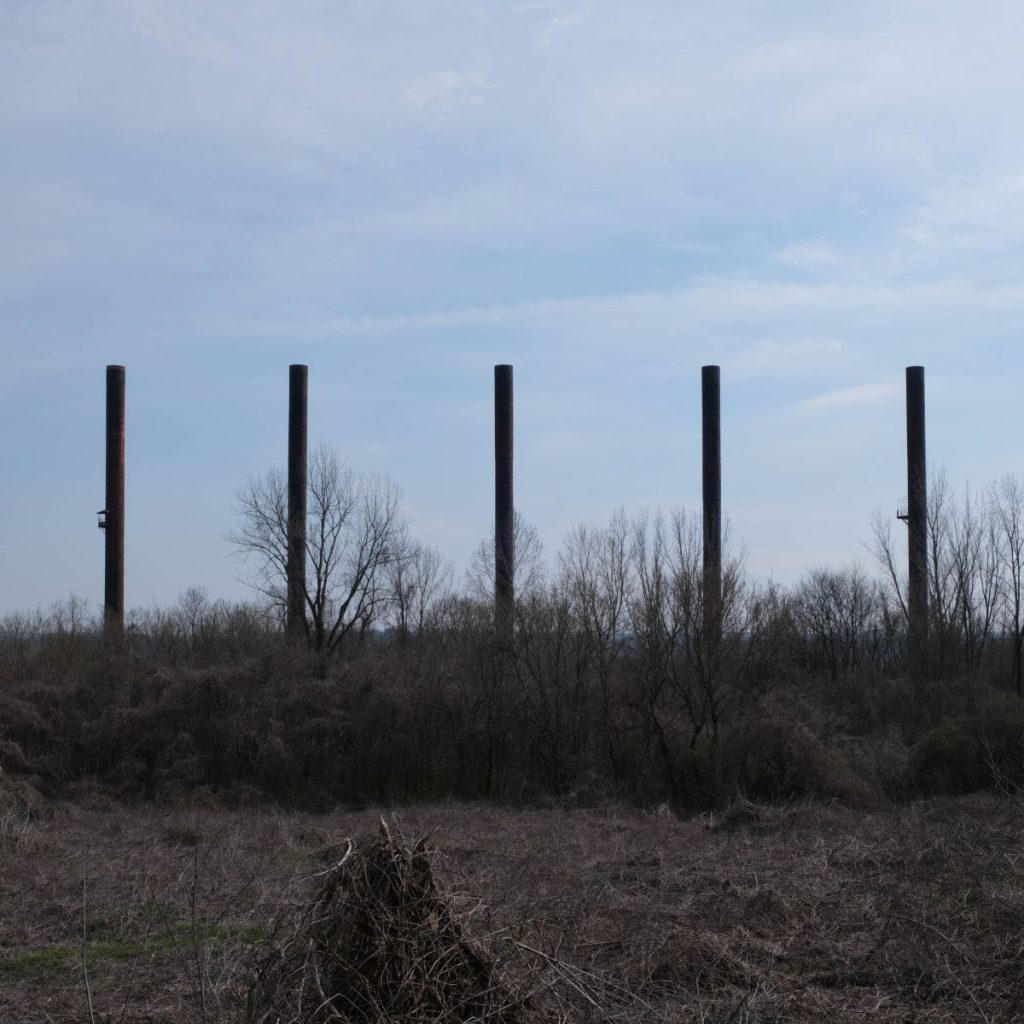
The Ensley Works was owned by the Tennessee Coal, Iron and Railroad Company from 1888 until U.S. Steel purchased it in 1907. TCI, presided over by Enoch Ensley, moved from Memphis to Birmingham in an 1886 merger. Ensley Works was the largest producer of steel ingots and rail in the entire Southern U.S. for most of its history; in 1912, USX opened the Fairfield Works nearby, and it quickly surpassed the older steel mill. Ensley Works ceased production in 1976 at its 600-acre property, and with it, massive jobs and population losses ensued in the surrounding neighborhoods.
Birmingport, a riverport terminal on the Locust Fork and the Black Warrior River off of state Route 269, has been in continual use since 1920. It has five barge docks, mostly servicing automakers west of the city. The 184-acre rail port facility is owned and operated by Watco Alabama Port Services, overseen by the Birmingham-Jefferson Port Authority, founded in 2016.
In a recent major development, the city announced on Feb. 12 that it had received a $2 million SEED Act grant. It will fund essential site assessments, environmental studies, geotechnical surveys and master planning, and prepare the sites for investment. The recent Nippon/U.S. Steel merger also offers the city new avenues for modernizing infrastructure in and around Ensley Works.
Promises have been made for years that Ensley Works and Birmingport would be a draw for regional development; however, the city has struggled to identify the requisite demand to fund redevelopment. Multiple studies and proposals — from a 1977 port master plan and a 1988 industrial park study to a 1993 automotive supplier park concept — failed to materialize.
Environmental cleanup plans for Ensley Works under Mayor William Bell progressed slowly through the 2000s and 2010s, alongside proposals for light industry, distribution, and limited residential use. Recent proposed developments include a 2024 Alabama Power substation at Ensley Works and a $21 million federal funding application by the Birmingham-Jefferson Port Authority to expand port infrastructure.
Renewed industrial activity could also bring renewed access challenges. Cheryl Morgan, who directed Urban Studio’s 2013 Ensley neighborhood revitalization plan — only partially realized by the city — said that while stable, well-paying jobs are important, businesses recruited to the site must be “good neighbors,” contributing to Ensley’s neighborhood fabric as well as providing gainful employment. She also emphasized that thoughtful marketing of the site, meaningful community engagement, local champions and strong leadership are essential for a truly successful project.
Marie Sutton, public information officer for the mayor, said the Department of Innovation and Economic Opportunity is moving forward with “unprecedented aggression” to unlock these lands. The city is prioritizing partners in high-growth sectors such as advanced manufacturing, logistics and green energy technology, with an emphasis on attracting cluster-based employers that offer high-quality, high-wage jobs and commit to local hiring and workforce development for nearby residents.
Ensley residents want the town to thrive as it once did. Local artist and musician Love Moor and her parents, Justin and Gabrielle Martin, who have owned A Lil’ of Everything Fashion on 19th Alley for decades, lamented that Ensley sees so little city investment and that the business owners there now receive so little support.
Other area business owners also want to see development return to Ensley, but they are skeptical about what will happen because of the history of slow or failed developments.
Tom W. Hall, who owns Hall Printing Service on 19th Street, remembers years of plans to redevelop the Ramsay-McCormack Building and Ensley High School properties, which so far has left the community with a derelict building and a gravel parking lot.
“I don’t know what happens to the money,” he said, “but I don’t see any improvements anywhere.”
“I think we’re being neglected. Ensley is being neglected,” he said.
Ideal Furniture Vice President Kevin Zivitz said his business, which has operated since 1943, gets tighter every year. It is surrounded by vacant storefronts and empty lots, which means there is no foot traffic, and with Ensley Works’ closure, many customers moved away.
Ensley has potential and needs help, Zivitz shared, but said, “It’s hard to get excited anymore.”
Sharing in the skepticism but holding out hope is Jahman Hill, writer and codirector of The Flourish, an educational arts nonprofit at The Greenhouse on 19th Street. Hill said the biggest challenges in Ensley relate to access — access to food, utilities, investment and food.
Quoting a poem by one of his students, he said, “There’s no fresh produce, but you expect us to produce?”
Garrell Jones, executive director of Renew Birmingham, which works to empower Ensley residents through housing, education, workforce development and health initiatives, was deeply skeptical of the new grant, saying Birmingham’s efforts to reverse the history of redlining, disinvestment and discriminatory lending have been underwhelming.
“Those suspicions are based on the history of how industry has dealt with the people in the city of Birmingham,” he said, adding that many residents see new proposals as likely “just another false promise,” with the city failing to follow through.
Brian Rice, president of the Ensley Business Association and the Ensley Merchants Association, expressed deep frustration with the city’s track record in Ensley.
“The people here are being misled with so many failed proposals or so many failed developments. But I also feel like the community, taxpayers, residents have gotten used to being misled. So that’s the sad part about it all,” he said. Rice also ran against Woodfin in last year’s mayoral election and made objections to the city’s handling of the Ramsay-McCormack project one of the main planks in his platform.
City officials recognize the problematic history with efforts to revitalize the western area. But the city’s Department of Innovation and Economic Opportunity has undertaken the Ensley Works project as a flagship effort to catalyze long-term stability and neighborhood revitalization in western Birmingham, connecting what was once an industrial boomtown to a new era of modern growth.
“This is a key step toward unlocking the Western Corridor’s potential,” District 8 Councilor Sonja Smith said in a statement from the city. “By focusing on smart development, we’re positioning our district to attract major employers and create real opportunities for residents.”
“This investment is about people,” said District 9 Council Pro Tem LaTanya Tate. “By creating pathways to stable, well-paying jobs, we can strengthen families and build safer, more vibrant neighborhoods.”