
Getting by in Food Deserts: Mobile Grocery Stores, Neighborhood Farms Help Residents Find Fresh Food
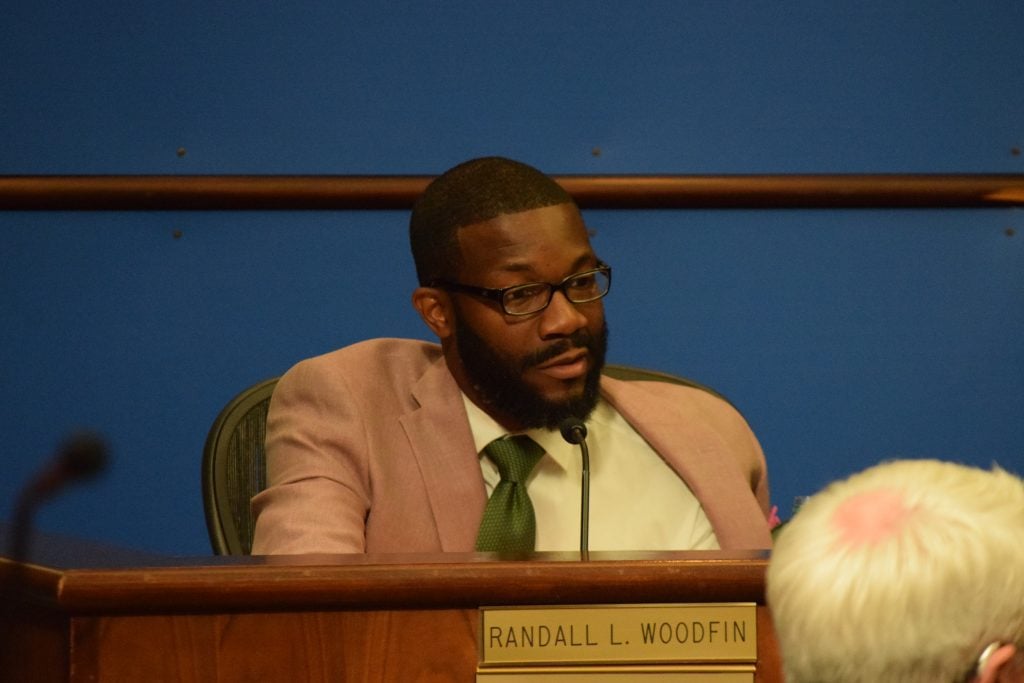
Roland Washington checked off the names of his neighbors who had come to buy groceries at the mobile store that twice a month visits his apartment complex near Tarrant, an area of Birmingham that has few to no options for fresh food. The mini crowd-control task for which Washington volunteers his time is managing the people who come to take advantage of the wholesale-priced fresh produce, meat and other food provisions sold on a first come-first serve basis. He makes sure no more than a few people enter the trailer at a time. For Washington and his neighbors, that mobile grocery store is the difference between getting fresh vegetables and fruits or not. The Corner Market, the mobile grocery store run through a program of the Community Food Bank of Central Alabama, is an initiative aimed at relieving the difficulties faced by people who live in food deserts. Food deserts are defined as areas where at least 500 people live more than half a mile from a full-service grocery store. The lack of access to fresh food is a problem faced by people across the world. About 23.5 million people in the U.S. live in food deserts, according to a U.S. Department of Agriculture report. Nearly half of them are low-income. Closer to home, almost 2 million people in Alabama live in food deserts, according to a 2015 report on food access by the The Food Trust. In Jefferson County, that number is 205,657. In Birmingham, 69 percent of residents live far enough away from a grocery store to make it difficult for them to obtain fresh food, Mayor Randall Woodfin told the City Council in a meeting this spring. He said part of all nine council districts exist in a food desert. The Corner Market and other mobile grocery stores are one way communities are trying to alleviate the difficulties for people who live in food deserts. Read more.