Donate today to help Birmingham stay informed.
The Birmingham City Council on Tuesday approved the mayor’s $591 million budget proposal, but several members said they needed to be more involved in discussions about the city’s spending plan.
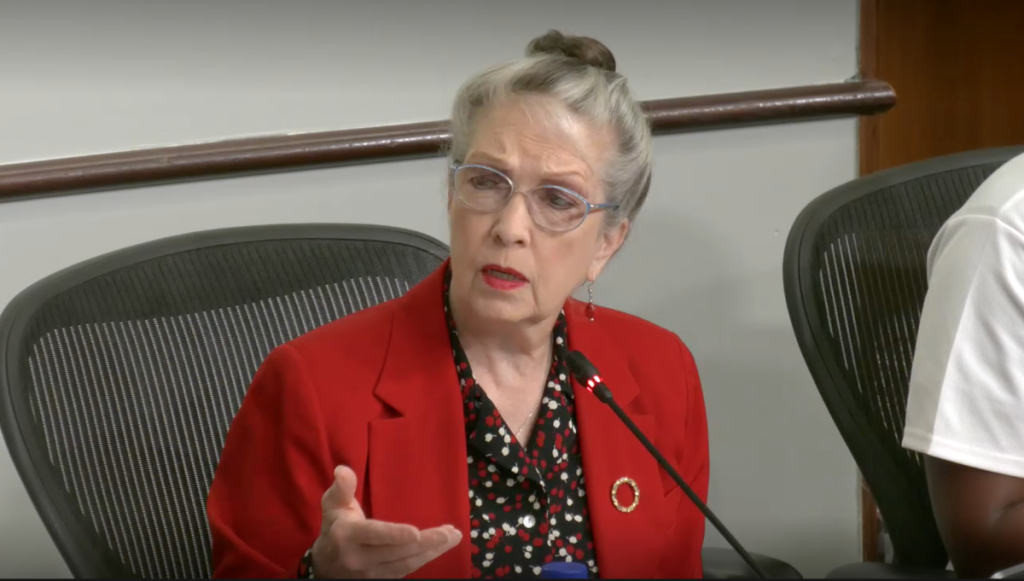
Councilor Valerie Abbott initially made a motion to delay the vote for a week to allow for more discussion among councilors.
“I have concerns. I don’t know whether any of you have the same concerns I have, because we’re not allowed to talk to each other in private. We have to talk in public at a meeting because of the Open Meetings Act,” she said, referring to Alabama’s law governing public meetings.
Birmingham’s mayor holds the budget power since passage of the 2016 Mayor-Council Act, which critics say shifted that balance of power too heavily toward the executive.
When Mayor Randall Woodfin presented the budget to the council on May 20, Abbott requested a list of all budget requests from department heads that indicated which requests were approved and which were not. Abbott said Tuesday that she received answers to most of her questions, but some of the answers raised more questions still.
Councilor Carol Clarke said she would like to see more granular data on how money is being spent, so the council can more accurately gauge the effectiveness of city programs.
“I’m not a finance professional … I need some pie charts and some high-level information, not something I’ve got to figure out,” she said. “So, I feel like it’s our job to have better budget tracking information and not just see appropriations once a year. And that’s really my big concern … how do we get enough information to know where we are, periodically, throughout the year, and be able to make decisions.”
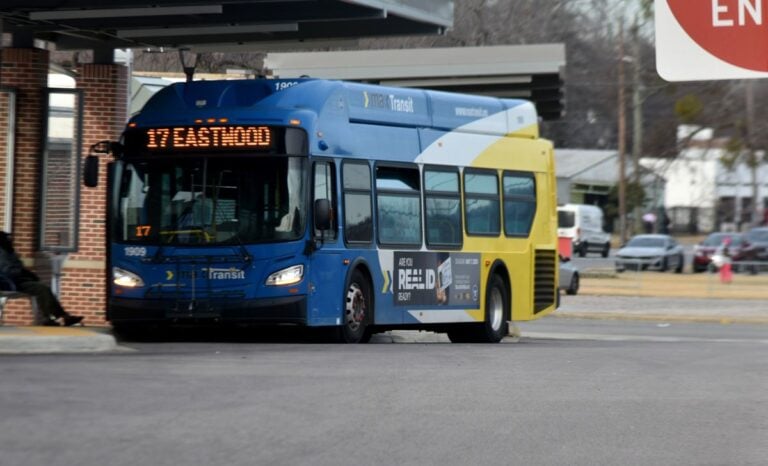
Councilor Hunter Williams said his primary budget concern regards the city’s support of the Birmingham Jefferson County Transit Authority. However, he said those issues could be addressed when the council next takes up the group’s contract with the city.
“The service that’s being provided to the citizens has been, in my mind, completely unacceptable,” he said. “And then for them to come up here and say that their reliability was 58% in all of 2024 — I want to repeat that, 58% in all of 2024. I don’t know of any employer that would allow you to be on time 58% of the time. So it’s effectively useless.”
Williams said he has received numerous calls from residents complaining about public transit in the city after he raised concerns about the BJCTA when officials from the authority held a presentation to the council June 10.
The city has invested $14 million annually in the BJCTA since 2023, when it increased from $10 million.
Abbott ultimately rescinded her motion to delay the vote on the budget and moved to have the spending plan approved. The council voted unanimously to accept the document.
The budget for the 2026 fiscal year, which begins July 1, includes major spending increases for youth services, homeless outreach and public safety programs as well as efforts to tackle blight such as weed abatement and demolition.
“I want to thank the council for their consideration and support of this budget plan,” Woodfin said in a release Tuesday. “Our shared priorities of neighborhood revitalization and public safety are supported by this budget. We will continue to invest in neighborhoods to resurface streets, invest in sidewalks, traffic calming, and blight removal.”
See the full budget.
In other business, the council approved an agreement with Legal Services of Alabama to provide legal assistance for low- to moderate-income residents for certain cases such as evictions, domestic violence, wage garnishments, foreclosures and other legal issues related to housing insecurity.
“This investment is about making sure every resident has access to quality legal representation,” Councilor J.T. Moore said. “We know that many people don’t have the resources to fight some of these legal battles, especially in a state like Alabama where landlord-tenant laws do not favor the residents in cases dealing with foreclosures and evictions. I’m proud to support this effort to help break the cycle of housing insecurity and give people a better chance to stay rooted in their communities.”